Muharram 1448 AH: Important Acts and Spiritual Rewards of Shab-e-Ashura and Yaum-e-Ashura

WebDesk
25 June, 2026 09:34
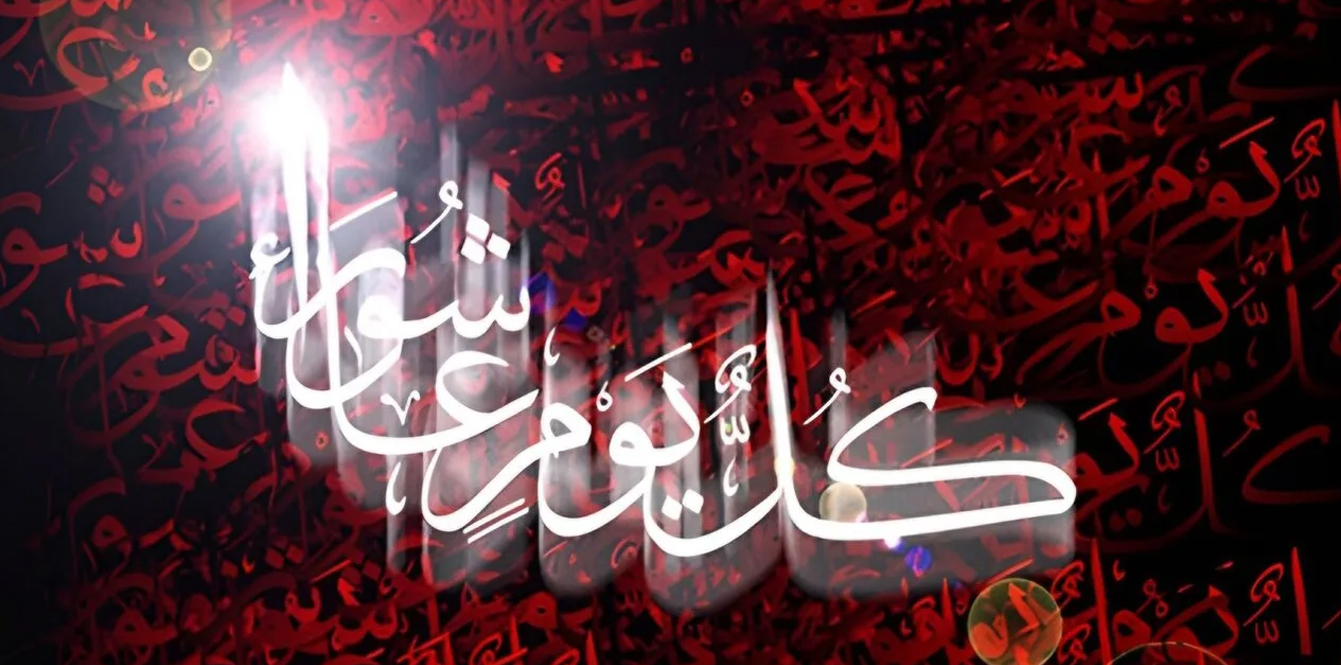
The Virtues and Recommended Acts of the First Ten Days of Muharram 1448 AH, the Night of Ashura, and the Day of Ashura
Virtues and Acts of the Night of Ashura
According to narrations, the Night of Ashura holds immense spiritual significance. Scholars have mentioned numerous recommended prayers and supplications for this blessed night.
One of the recommended acts is performing 100 units (rak‘ahs) of prayer, in which Surah Al-Fatihah is recited followed by Surah Al-Ikhlas three times in each rak‘ah. After completing the prayer, recite the following glorification 70 times:
سُبْحَانَ اللّٰهِ، وَالْحَمْدُ لِلّٰهِ، وَلَا اِلٰہَ اِلَّا اللّٰهُ، وَاللّٰهُ اَكْبَرُ، وَلَا حَوْلَ وَلَا قُوَّۃَ اِلَّا بِاللّٰهِ الْعَلِیِّ الْعَظِیْمِ
Some narrations also recommend seeking forgiveness (Istighfar) after this supplication.
During the latter part of the night, perform four rak‘ahs of prayer. In each rak‘ah, after Surah Al-Fatihah, recite Ayat al-Kursi ten times, Surah Al-Ikhlas ten times, Surah Al-Falaq ten times, and Surah An-Nas ten times. After the prayer, recite Surah Al-Ikhlas 100 times.
Another recommended prayer consists of four rak‘ahs, with Surah Al-Ikhlas recited fifty times after Surah Al-Fatihah in each rak‘ah. This prayer is reported to have immense virtue. Afterwards, engage abundantly in the remembrance of Allah, send blessings upon the Holy Prophet (PBUH), and invoke curses upon his enemies.
Remaining awake in worship on this night is highly meritorious. Narrations state that one who spends the night in worship receives a reward comparable to the worship of all the angels, and that the worship of this night equals seventy years of worship. Pilgrims who are able are encouraged to visit Karbala, perform the ziyarat of Imam Hussain (AS), and spend the night in devotion near his shrine.
Read More: Muharram Observances Across Africa Honor Imam Hussain (AS)
Acts of the Day of Ashura
The Day of Ashura marks the martyrdom of Imam Hussain (AS). For the Ahlul Bayt (AS) and their followers, it is a day of grief, mourning, and remembrance.
Believers are encouraged to refrain from worldly pursuits, devote themselves to mourning gatherings, recite elegies, participate in commemorative assemblies, and express sorrow through remembrance of the tragedy of Karbala.
Among the recommended acts are:
- Reciting Ziyarat Ashura.
- Sending abundant curses upon the killers of Imam Hussain (AS).
- Offering condolences to fellow believers with the following words:
اَعْظَمَ اللّٰهُ اُجُوْرَنَا بِمُصَابِنَا بِالْحُسَیْنِ وَجَعَلَنَا وَاِیَّاكُمْ مِنَ الطَّالِبِیْنَ بِثَارِہٖ مَعَ وَلِیِّہِ الْاِمَامِ الْمَھْدِیِّ مِنْ اٰلِ مُحَمَّدٍ عَلَیْھِمُ السَّلَامُ
It is recommended to listen to and narrate the events of Karbala, weep for Imam Hussain (AS), and encourage others to do the same.
Traditionally, believers are advised to avoid worldly occupations, refrain from entertainment and laughter, observe mourning, and remember Imam Hussain (AS) throughout the day. It is also recommended to frequently recite:
اَللّٰھُمَّ الْعَنْ قَتَلَۃَ الْحُسَیْنِ
Must Read
Pakistan
Dera Murad Jamali Mosque Desecration: MWM Leaders Visit, Protest Announced for October 11
7-October،2026


Pakistan
MWM Jacobabad Peace Unity: Allama Maqsood Domki Holds Key Meetings with Leaders
7-October،2026