The End of The Arab World’s Oil Age Is Nigh: Economist

20 July, 2020 15:30
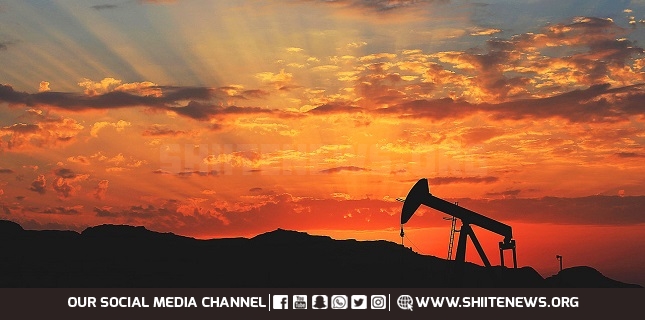
THEIR BUDGETS don’t add up anymore. Algeria needs the price of Brent crude, an international benchmark for oil, to rise to $157 dollars a barrel. Oman needs it to hit $87. No Arab oil producer, save tiny Qatar, can balance its books at the current price, around $40.
So some are taking drastic steps. In May the Algerian government said it would slice spending in half. The new prime minister of Iraq, one of the world’s largest oil producers, wants to take an axe to government salaries. Oman is struggling to borrow after credit-rating agencies listed its debt as junk. Kuwait’s deficit could hit 40% of GDP, the highest level in the world.
Covid-19 sent the price of oil plummeting to all-time lows as people stopped moving around in order to limit the spread of the virus. With commerce resuming, the price has ticked back up, though a peak in demand may be years away.
But don’t be fooled. The world’s economies are moving away from fossil fuels. Oversupply and the increasing competitiveness of cleaner energy sources mean that oil may stay cheap for the foreseeable future. The recent turmoil in oil markets is not an aberration; it is a glimpse of the future. The world has entered an era of low prices—and no region will be more affected than the Middle East and north Africa.
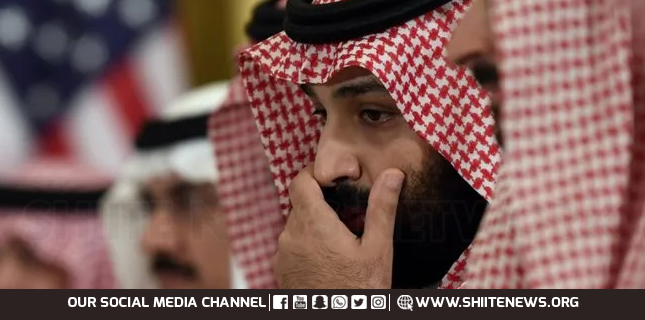
Arab leaders knew that sky-high oil prices would not last for ever. Four years ago Muhammad bin Salman, the de facto ruler of Saudi Arabia, produced a plan called “Vision 2030” that aimed to wean his economy off oil. Many of his neighbours have their own versions. But “2030 has become 2020,” says a consultant to Prince Muhammad. Oil revenues in the Middle East and north Africa, which produces more of the black stuff than any other region, fell from over $1trn in 2012 to $575bn in 2019, says the IMF. This year Arab countries are expected to earn about $300bn selling oil, not nearly enough to cover their spending. Since March they have cut, taxed and borrowed. Many are burning through cash reserves meant to fund reform.
Must Read
Pakistan
Hazrat Fatima Zahra Conference Islamabad: Academic Event Focuses on Her Life and Model of Resistance
21-October،2026