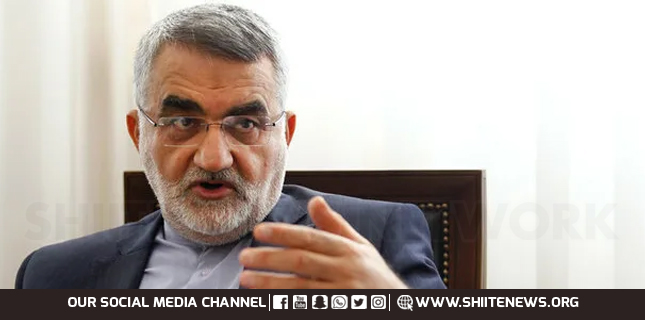
Araghchi: Terrorist operations in Iran scheme directed by US, ‘Israel’

WebDesk
21 January, 2026 09:16
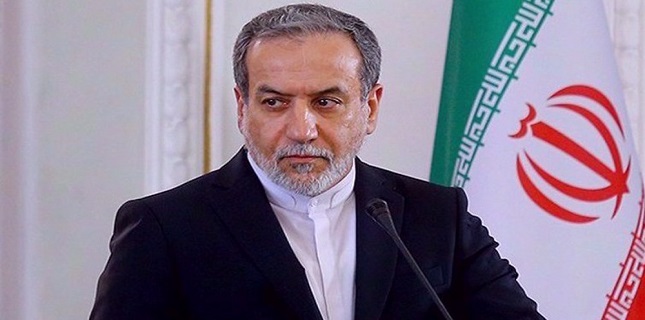
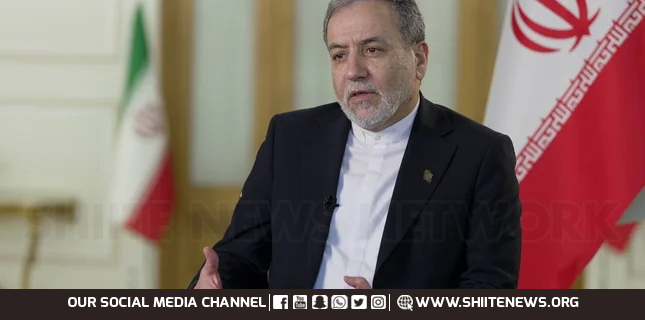
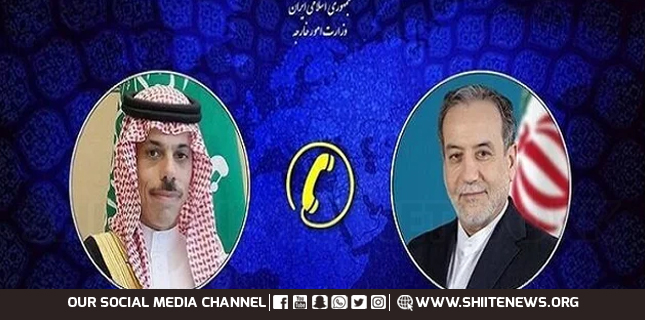
The recent terrorist attacks in Iran were not spontaneous incidents, but part of a “project” directed through US and Israeli intelligence, media, and operational backing, Iranian Foreign Minister Abbas Araghchi stated on Tuesday.
In an article published in the Iranian newspaper Sedaye Iran, Araghchi emphasized that the training, arming, and incitement to violence have given these events dangerous dimensions under international law, arguing that “what occurred amounts to an organized intervention for which the supporting parties bear legal and political responsibility.”
Araghchi also warned that the US president’s threats against Iran’s Leader and the Islamic Republic without a doubt carry therein “wide-ranging legal and political consequences.” He stressed that the Iranian Foreign Ministry will continue pursuing international and legal accountability for the US government’s role in what Tehran describes as “acts of war.”
The minister revealed that Iranian authorities are actively documenting foreign interference and hostile actions and that necessary legal preparations have been completed to file cases with the appropriate judicial bodies.
“The Ministry will not allow support for terrorism to go unpunished in the international system,” Araghchi added.
Iranian officials have repeatedly argued that recent protests in the country, initially sparked by worsening economic and living conditions, were quickly exploited by armed troublemakers and deliberate killers, supported by foreign actors, including “Israel’s” Mossad and the United States, in a bid to incite chaos and force regime change.
Hundreds of individuals linked to unrest, sabotage
Iranian security and intelligence forces have detained over 470 individuals across Khorasan Razavi, Lorestan, and Zanjan provinces, identifying them as key operatives behind recent violent unrest tied to foreign-backed networks.
In Khorasan Razavi, 192 armed suspects were arrested for involvement in civilian killings, attacks on security personnel, arson on mosques and public infrastructure, and assaults on military and police centers. Authorities seized firearms, bulletproof vests, and various cold weapons.
The IRGC reported the arrest of 134 individuals in Lorestan, who acted as ringleaders of a US-Israeli-linked terrorist network. The group allegedly carried out “Daesh-like” attacks, targeting mosques, banks, shops, and vehicles with firearms, blades, and firebombs.
In Zanjan, law enforcement detained 150 suspects accused of orchestrating riots, destroying property, and inciting violence in city squares. Officials said the group was responsible for civilian deaths and attempts to storm military sites.
Authorities emphasized that many detainees had ties to foreign terrorist organizations or violent criminal gangs, and stressed that all seized weapons and evidence will support ongoing legal actions against the networks behind the unrest.
On January 17, Iran’s Ministry of Intelligence announced that it had identified a 32-member network accused of involvement in riots and acts of sabotage in Tehran and several other Iranian provinces.
In a statement, the Ministry said 12 key members of the network had been arrested, while 13 others were summoned for questioning. According to the Ministry, the core of the network was based in Mashhad, where its members carried out acts of sabotage, including the burning of religious sites. The ministry added that one of the detained suspects had made several trips to the occupied Palestinian territories, which it described as an indication of contact with external actors linked to the unrest.
Must Read
Pakistan
Majlis-e-Takreem-e-Shuhada Isfahan: MWM Pays Glowing Tribute to Shaheed Syed Hassan Nasrallah
13-October،2026
Pakistan
Gaza Former Mufti Jamia Urwatul Wusqa Visit: Dr. Mahmoud Al-Shoubaki Meets Allama Jawad Naqvi
13-October،2026