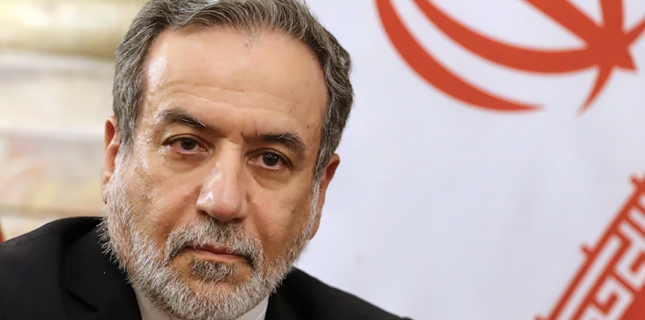
Iranian Foreign Minister Abbas Araghchi has expressed that US threats, provocations, and what he described as Washington’s lack of goodwill and credibility remain the main obstacles preventing a definitive end to the war and the achievement of a possible agreement.
Read More: Hezbollah Turned Battlefield into Hell for Israelis, Says Sheikh Qassem
Araghchi made the remarks during a meeting in Tehran with Norwegian Deputy Foreign Minister Andreas Motzfeldt Kravik, who arrived in the Iranian capital leading a diplomatic delegation for consultations with Iranian officials.
Tehran and Oslo discuss negotiations and regional tensions
According to the Iranian Foreign Ministry, the two sides exchanged views on bilateral relations, the imposed war and its security and economic consequences, as well as developments related to the Islamabad negotiations track.
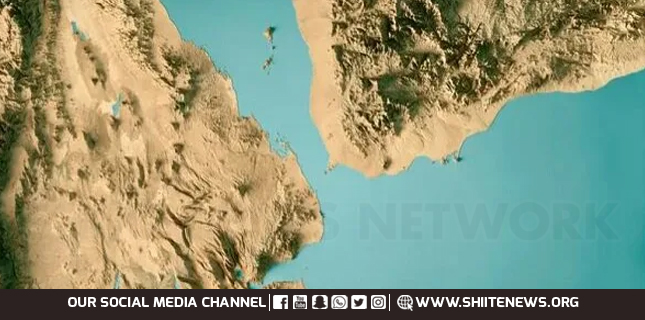
Araghchi stressed that the current tensions in the Strait of Hormuz are primarily the result of the US-Israeli military aggression against Iran and subsequent repeated violations of the ceasefire through the continued blockade of Iranian ports.
He added that Iran, as a coastal state bordering the Strait of Hormuz, is conducting consultations aimed at formulating arrangements related to the strategic waterway in accordance with international law.
Norway calls for regional stability and diplomacy
For his part, Kravik reviewed discussions he previously held with officials in Pakistan and Oman, emphasizing the importance of establishing sustainable peace and stability in the region and protecting international law.
The Norwegian official also expressed his country’s readiness to support diplomatic efforts and enhance consultations concerning maritime safety and environmental protection.
During his visit to Tehran, Kravik also held separate meetings with Iranian Deputy Foreign Minister for Political Affairs Majid Takht-Ravanchi and the head of the Foreign Ministry’s Center for Political and International Studies Saeed Khatibzadeh.
The meetings addressed regional and international developments, alongside several bilateral issues of mutual interest.