Ihtisab-e-Nasbiyat Book Review: Dr. Javed Hussain Shirazi’s Analysis of Maulana Allah Wasaya’s Work

WebDesk
09 October, 2026 11:55
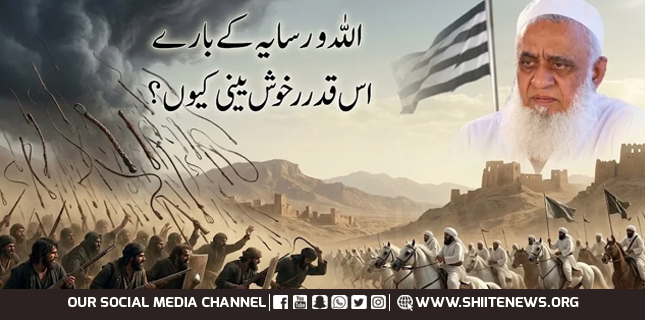
Maulana Allah Wasaya’s ‘Ihtisab-e-Nasbiyat’ Is Commendable, But Why the Extraordinary Optimism?
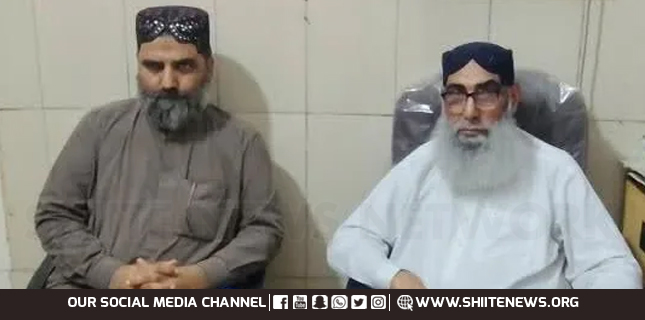
Shiite News: Renowned intellectual and analyst Dr. Syed Javed Hussain Shirazi, in a detailed article on the book ‘Ihtisab-e-Nasbiyat’ compiled by Maulana Allah Wasaya, has clarified that this book has posed a major intellectual challenge to the sanctified concepts established by takfiri circles. He said that Allah Wasaya has compiled the writings of the elders of the Deoband school in which facts about the historical role of Muawiya have been stated. However, Dr. Shirazi has strictly warned Shia circles not to fall prey to any extraordinary optimism regarding the author upon the publication of this book, because he has not presented any new doctrinal position, but has merely clarified the historical contradictions existing within his own school.
Dr. Shirazi pointed out that historical facts such as Muawiya’s political role, the Battle of Siffin, his alleged involvement in the killing of Imam Hassan Mujtaba (AS), and the martyrdom of Hazrat Ammar Yasir (RA) are so clear that takfiri elements today face a double contradiction. On one hand, their fabricated sanctified narrative conflicts with the hadiths of the Messenger of Allah (PBUH) (such as that Ammar will be killed by a rebellious group that will call them to hell), and on the other hand, it is also not in harmony with the positions of their own elders. He emphasized that sound reason cannot simultaneously accept the claim of love for the Ahlul Bayt (AS) and heartfelt attachment to those who oppressed them.
Read More: Sheikh Naeem Qassem Hezbollah Statement: No Power Can Shake Hezbollah, Line of Wilayat Reaffirmed
In his analysis, he further wrote that presenting a critical book on a historical figure does not mean that the author’s overall religious and theological position has changed. Dr. Shirazi reminded that Allah Wasaya has on numerous occasions acknowledged the position of Shia’s kufr, therefore it is not correct to expect intellectual closeness from someone who fundamentally considers Shia to be outside the fold of Islam, merely on the basis of one book. This book is actually an effort to reduce the internal intellectual anxiety of Ahl-e-Sunnat, which cannot be considered a step forward towards Shia thought. He emphasized that this book should be studied, but it is extremely necessary to evaluate scholarly respect and historical acknowledgment with the balance of doctrinal confidence.
Must Read
Pakistan
Moulana Syed Karrar Al-Husseini Baltistan Visit: Meetings with Important Personalities
9-October،2026
Pakistan
Tribute to Martyrs Conference: Shaheed Hassan Nasrallah Commemorated in Gilgit
9-October،2026