Baghdad Friday Imam Urges Iraq Not to Show Weakness Toward U.S

WebDesk
26 September, 2026 18:25
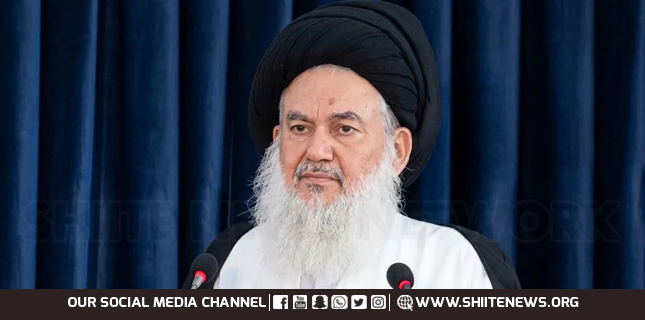
Baghdad Friday Imam Urges Iraq Not to Show Weakness Toward U.S., Criticizes Restrictions on Iranian Flights
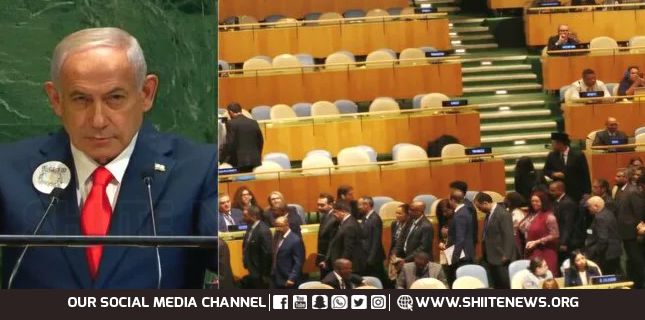
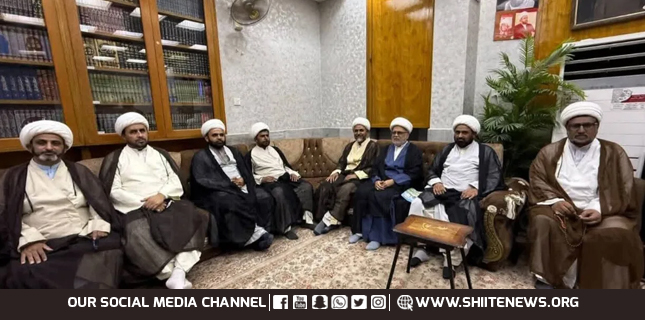
Shiite News: Baghdad Friday prayer leader Ayatollah Sayyed Yasin Mousavi criticized the performance of the United Nations during his Friday sermon on September 25, 2026, saying that the organization had failed to effectively protect global peace and prevent wars. He argued that, under what he described as a unipolar world order, the United States and its Western allies had imposed what he called colonial policies through intervention and wars, while the UN had failed to play an effective role in preventing them.
Mousavi also criticized the policies of some Arab and Muslim countries, saying that Iraq should not deal with the United States from a position of weakness or humiliation. Instead, he called for greater cooperation with countries that, in his view, strengthen Iraq’s power and national dignity. He described Iran as an important regional power that had strongly resisted the United States and Israel.
The Baghdad Friday prayer leader strongly objected to restrictions imposed on some flights traveling from Iran to Iraq, saying that many passengers on these flights are pilgrims visiting the holy sites associated with Imam Hussein (AS). He said that the issue had been discussed with Iraqi and Iranian officials as well as the relevant committee, but argued that the stated security reasons did not justify the restrictions.
Mousavi reiterated his position that weapons should remain within the state’s institutional framework. However, he argued that this principle should not be used to weaken forces fighting terrorism or to impose U.S. dominance over Iraq.
Read More: Iranian Deputy Foreign Minister Responds to NATO Chief Over European Bases
He also praised resistance groups in Lebanon and Yemen and called on Iraqi political parties, particularly the Coordination Framework, to protect Iraq’s national dignity and build relations with the United States on the basis of what he described as respect and national interests rather than weakness or concessions.
Must Read