The Kaaba Does Not Belong to Any Kingdom: Politics in the Name of Mecca and Yemen War

WebDesk
16 September, 2026 14:42
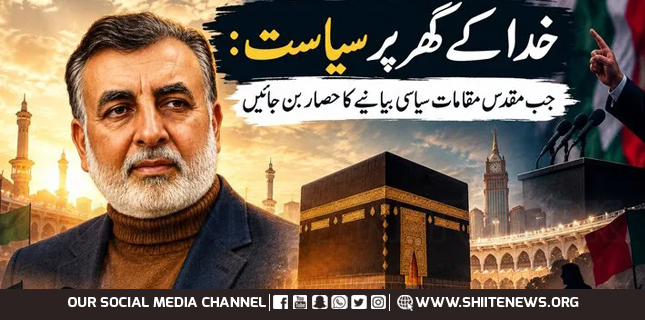
The Kaaba Does Not Belong to Any Kingdom; Politics in the Name of Mecca and the Narrative of the Yemen War
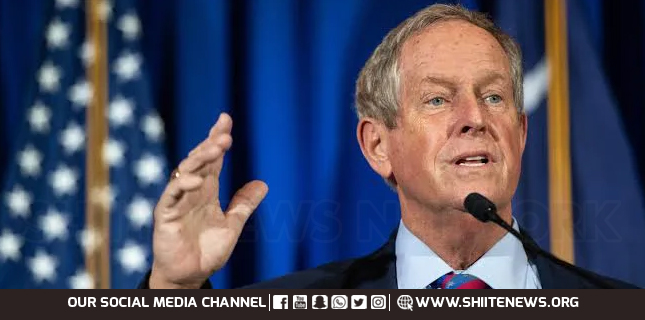
Shia News: Renowned analyst and expert in international affairs Professor Tanvir Haider Naqvi has examined in detail the sensitive issue of how sacred sites, particularly the Kaaba, are sometimes presented in political, governmental and military narratives. He argues that the Kaaba is not the property of any kingdom, the palace of a ruler, the office of a political party or a military stronghold. It is the House toward which Muslims around the world turn in prayer, and its sanctity derives not from any government decree but from centuries of religious devotion.
According to Professor Naqvi, history presents the troubling reality that political disputes have at times extended even to the sacred sphere. At various points, wars have been justified in the name of protecting Mecca, while the security of the Two Holy Mosques has been linked to the survival of governments. He argues that the central question is not simply whether Mecca faces a threat, but why the name of Mecca is invoked as a political argument.
Gulf War and the Arrival of U.S. Forces
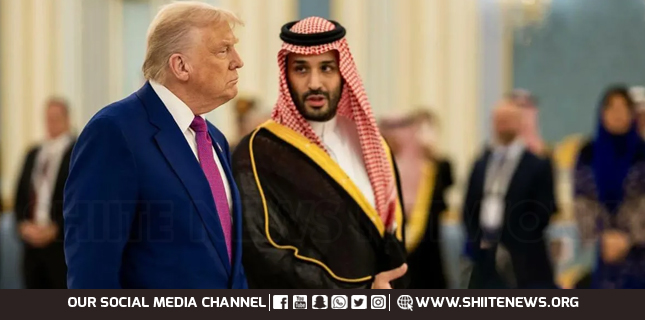
Referring to the 1990 Gulf War, he writes that after Iraqi forces occupied Kuwait and approached the Saudi border, the Saudi government began seeking assistance from the United States and its allies. The arrival of predominantly non-Muslim U.S. forces in the Hijaz became a highly sensitive religious issue. According to historical reporting, a meeting of roughly 350 Islamic scholars and religious leaders was held in Mecca to address the religious justification for the presence of foreign troops. Contemporary reports confirm that the gathering debated and endorsed the temporary deployment of U.S. forces under the circumstances of the crisis.
The professor’s article raises the question of whether an Iraqi advance into Saudi territory necessarily meant that Iraqi forces would attack the Kaaba. He uses this argument to discuss the broader relationship between military threats, religious symbolism and political messaging.
The article also notes that Pakistani forces participated in the U.S.-led coalition during the Gulf War.
Yemen War and Allegations Concerning Mecca
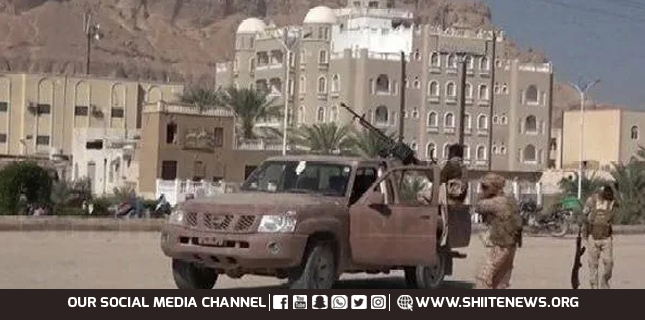
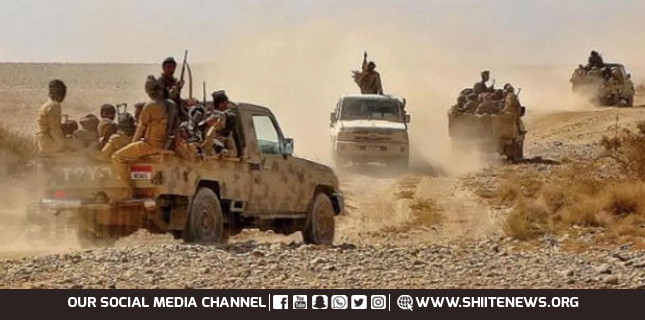
The article discusses claims made during the Yemen war that Ansar Allah had launched ballistic missiles toward Mecca in 2016 and 2017. It argues that the use of such allegations in political discourse can transform a military incident into a religiously charged narrative.
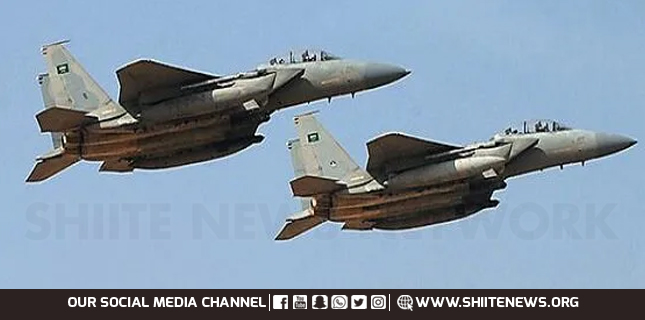
Current reporting shows that the issue has resurfaced in September 2026. On September 16, Saudi Arabia said it had intercepted a drone south of Mecca before it entered restricted airspace, while Ansar Allah denied that the drone was targeting Mecca. Reuters reported that Saudi authorities described the security of Mecca as a “red line,” while the Houthis denied targeting the holy city or other religious sites.
September 2026 Tensions and the Makkah Defence Agreement
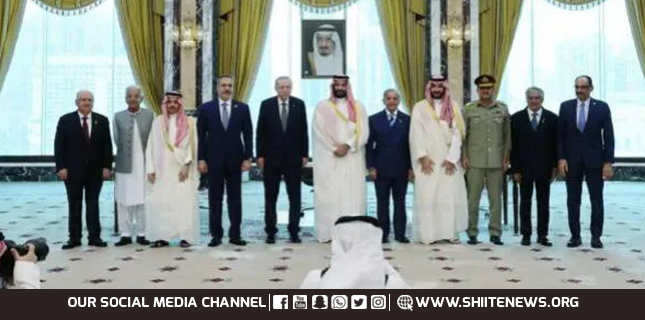
The article links the current Yemen-Saudi tensions to the recently established Makkah Defence Agreement involving Pakistan, Türkiye and Saudi Arabia. Pakistan’s Foreign Ministry said on September 10 that the agreement is defensive in nature and that no immediate military response was under discussion in relation to the Yemen situation. The ministry also said the three countries were still developing mechanisms under the agreement.
Read More: Ansar Allah Denies Claim of Attack on Makkah, Calls Allegation False
Professor Tanvir Haider Naqvi concludes by raising a broader political and historical question about how religious narratives are interpreted differently in different conflicts. The article contrasts reactions to Saudi Arabia’s use of religious and security arguments during the 1990 Gulf crisis with contemporary reactions to the Yemen conflict. These comparisons represent the author’s analysis and argument rather than an independently established factual conclusion.
Must Read
Pakistan
Pakistan-Iran Relationship Goes Beyond Geography, Rooted in Faith and History, Says Ambassador
16-September،2026
Saudi Arab
The Kaaba Does Not Belong to Any Kingdom: Politics in the Name of Mecca and Yemen War
16-September،2026