Saudi oil sales to China jump after price cuts

WebDesk
16 February, 2026 13:52
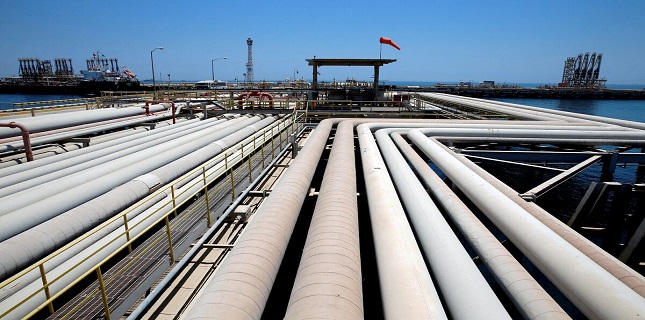
Saudi oil sales to China increased sharply after Saudi Arabia reduced the price of its main crude grade for Asian buyers to the lowest level in more than five years.
State oil producer Saudi Aramco will supply around 56 million to 57 million barrels for loading next month to China, according to traders familiar with the matter, a significant rise in oil sales to China compared to the previous month’s 48 million barrels.
Aramco trimmed the price of its flagship Arab Light crude to the lowest level since late 2020, as concerns over a global oil glut persist. Although the reduction was smaller than some market participants expected, the move made Saudi oil more competitively priced than rival spot cargoes in the region.
The price adjustment has strengthened Saudi Arabia’s position in the Chinese market, the world’s largest oil importer. The increase in volumes reflects renewed buying interest following the price cut.
The rise in Saudi oil exports highlights the kingdom’s efforts to maintain market share in Asia amid intensified competition.
Impact on India and other Asian buyers
Indian refiners are set to receive at least 1 million barrels more in March than they would typically under long-term contracts, according to traders. That compares with at least 2 million barrels more in February.
India has faced US pressure to reduce its imports of Russian oil, with US President Donald Trump recently saying India would halt purchases as part of a trade deal. New Delhi has not publicly confirmed the claim but has stated it is seeking to diversify supply sources to maintain energy security.
South Korean and Japanese refiners are also expected to collectively receive more Saudi oil next month, though it remains unclear how the increase compares to February levels, which were at least 9 million barrels higher.
Regional competition: Iraq’s flexible exports
Oil exports in March may also increase from Iraq, OPEC’s second-largest producer, which markets its oil differently from Saudi Arabia. Saudi crude is sold exclusively via long-term contracts, while Iraq allocates part of its exports on a spot or ad-hoc basis.
Iraq’s allocation of destination-free cargoes, volumes that can be freely traded rather than committed to a specific buyer, was larger than usual for March. This added flexibility may attract additional interest from buyers seeking competitive alternatives.
The latest price adjustments underscore Saudi Arabia’s strategic use of pricing to boost oil sales to China and secure its position in key Asian markets.
Must Read
Middle East
Violating Oil Tanker Strait of Hormuz: Law-Breaking Tanker Engulfed in Flames
11-October،2026


Pakistan
Allama Syed Hassan Zafar Naqvi MWM Mashhad Visit: Organizational Affairs Briefing Held
11-October،2026