Iraq calls for stability in Yemen amid escalating southern tenions

WebDesk
02 January, 2026 04:38
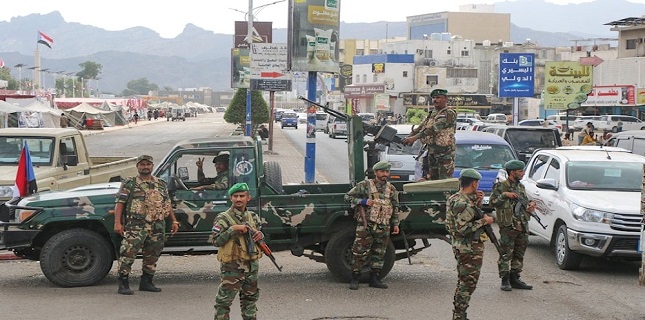
Iraq has expressed deep concern over the ongoing political and security developments in Yemen, reiterating its firm position in support of preserving the country’s stability and security.
The Iraqi Foreign Ministry, in a statement, emphasized the importance of aligning with the aspirations of the Yemeni people to live in peace, reaffirming Iraq’s consistent stance on supporting regional stability.
The ministry expressed hope that regional and international efforts would help advance stability in Yemen, foster de-escalation, and create favorable conditions for a sustainable solution, praising initiatives aimed at consolidating peace and emphasizing the need to safeguard the interests of the Yemeni people and support any efforts that contribute to enhancing stability and development.
Iraq also stressed the necessity of continuing constructive dialogue among all Yemeni parties, describing it as the most effective path toward comprehensive and peaceful resolutions that would alleviate the suffering of the Yemeni people.
What is happening in southern Yemen?
This comes days after a sharp escalation between Abu Dhabi and Saudi Arabia, including Saudi airstrikes on Yemen’s eastern port city of Mukalla. Riyadh claimed the strikes targeted unauthorized military shipments allegedly destined for UAE-backed forces, prompting emergency measures by Saudi-aligned authorities, a temporary blockade of the port, and public demands for Emirati forces to leave Yemeni territory. The confrontation marked one of the most serious ruptures between the two former coalition partners since the war began.
The announcement also follows weeks of rapid advances by the STC, whose expansion across Hadhramaut, Shabwa, and Abyan has triggered armed clashes with Saudi-aligned tribal forces and led Saudi aircraft to strike STC positions in eastern Yemen. These developments have laid bare the collapse of cohesion within the anti-Sanaa camp, as rival foreign agendas increasingly turn their weapons against each other on Yemeni soil.
Officials in Sanaa have consistently described the UAE-constructed militia network in the south as part of a broader foreign encirclement strategy aimed at weakening the resistance, seizing energy assets, and securing permanent footholds along Yemen’s coastline and islands, including Socotra and Mayyun.
From this perspective, Abu Dhabi’s partial withdrawal does not signal de-escalation, but rather a tactical repositioning after its proxy forces became embroiled in open conflict with Saudi-backed factions and exposed the depth of coalition disintegration.
Must Read
Pakistan
Governor’s Rule KP: Allama Maqsood Domki Calls It a Serious Democratic Mistake
14-October،2026
Pakistan
Sipah Sahaba Commander Killed: CTD Operation Eliminates Wanted Terrorist in Bannu
14-October،2026
Pakistan
Hafez Shirazi Commemoration Karachi: Khana-e-Farhang Iran Hosts Splendid Literary Event
14-October،2026