Ashura; Unwavering stance of truth against falsehood

28 July, 2023 04:33
Ashura; Unwavering stance of truth against falsehood
Muslims in the world observe Ashura as a day that symbolizes the eternal and unwavering stance of truth against falsehood and humanity’s struggle against injustice, tyranny, and oppression.
The Day of Ashura commemorates Imam Hussein’s (AS) martyrdom in the tragic Battle of Karbala on October 10, 680 (Muharram 10, 61 AH).
Despite the fact that centuries have passed since that occurrence, it continues to inspire huge numbers of Shia Muslims and even non-Muslims around the world to follow in Imam Hussein’s footsteps in their struggle for independence and emancipation.
Imam Hussein (AS) was a well-known Muslim figure in Medina. He was recognized for his piety and virtues. At the same time, a succession was taking place in Damascus, the capital of the Umayyad caliphate, which resulted in Mu’awiyah appointing Yazid as the new caliph, a move that shocked the Islamic world because Yazid was unqualified to command the fledgling Islamic system.
The Ashura event lasted about half a day. However, it was a pivotal moment in history. Many attempts were made to persuade people to forget the events of Ashura, but many have never done so. Instead, millions came to mourn the injustice against the Imam and acquired crucial lessons from history.
Shia Muslims typically conduct special rituals during the first 10 days of Muharram, which this year spanned from July 19 to 28.
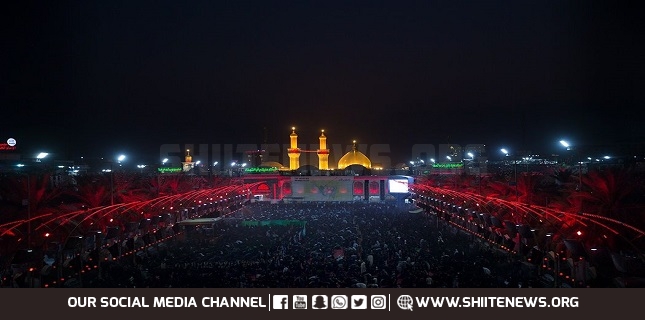
Hundreds of thousands of pilgrims from Iran and other countries head to the holy Iraqi city of Karbala — where Imam Hussein (AS)’s shrine is located — to mark Ashura.
During these days, Imam Hussein (AS), the third Imam of the Shias, and seventy-two persons of his followers were martyred with a thirsty lip in the war with the forces of Yazid in the event of Karbala.
This mourning is not normal and is the greatest mourning happening this month.
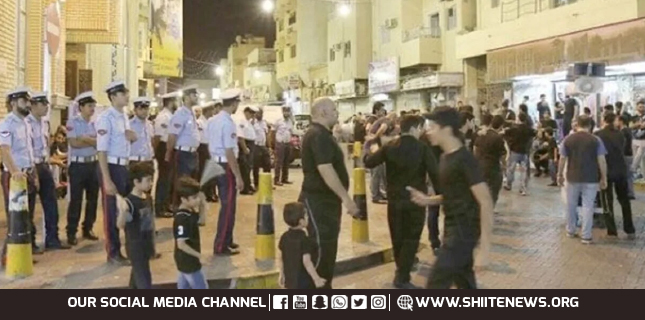
This general mourning begins by wearing black clothes and blackening the streets, mosques, Husayniyah, etc., with mourning flags.
The night of Ashura in Iran is called Shaam-e Ghariban, meaning “the night of strangers” and those who are far from home and help. People light candles in holy places and gatherings in every corner of the country.
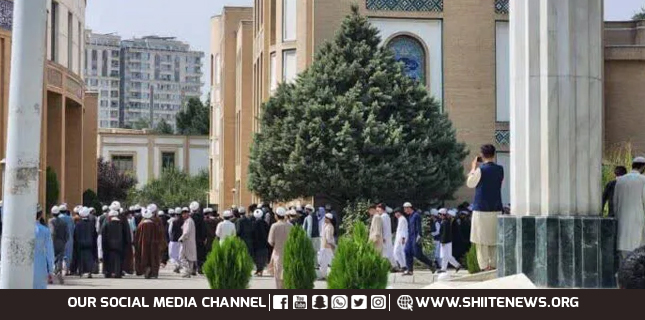
The tragedy is also observed in some other countries with sizeable Shia communities, including Iraq, Afghanistan, Azerbaijan, Bahrain, Lebanon, Pakistan, Saudi Arabia, and Syria.
Must Read

World
Al-Mustafa University Certificates Distributed Among Maktab-e-Zahra Students in Srinagar
9-September،2026