An uncrowned king: Saudi Crown Prince MBS takes the reins

18 December, 2021 06:11
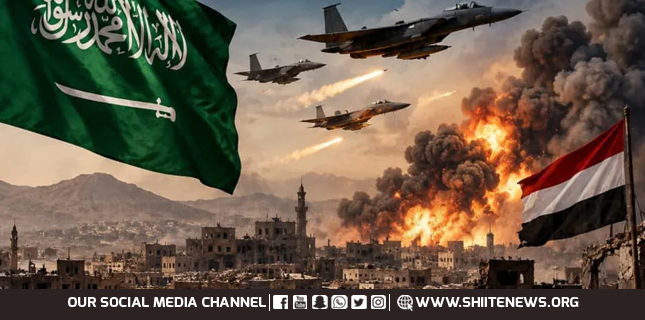
Over 50 Saudi-backed pro-Hadi commanders killed while fighting Yemeni forces over Ma’rib control More than 50 high-ranking Saudi-backed militant commanders loyal to former Yemeni president Abd Rabbuh Mansour Hadi have reportedly been killed while fighting Yemeni army troops and their allies over the control of the country’s strategic oil-producing province of Ma’rib. Yemen's al-Khabar al-Yemeni news website, citing informed sources who preferred not to be named, reported that Ma'rib province has witnessed intense clashes between Yemeni army soldiers and fighters from Popular Committees on one side and Saudi-backed militants on the other over the past few weeks. The report added that the Yemeni forces and their allies are slowly but steadily making progress, due to the geographical features of the region and heavy deployment of troops and military equipment by the Saudi-led coalition. The sources highlighted that Ma’rib, al-Thaqba and al-Aswadah districts are now the scenes of pro-Hadi commanders getting killed one after another, and now fear and anxiety have increased among Saudi mercenaries as the Yemeni armed forces have launched fierce battles against them. Al-Khabar al-Yemeni went on to say that intelligence forces of the Sana’a government have managed to infiltrate into the military and security circles of Saudi-backed Hadi loyalists, monitor all movements of commanders and obtain sensitive information out of their meetings. According to sources affiliated with the Saudi-led coalition, at least 53 pro-Hadi commanders have been killed in Ma'rib province in recent months. On December 13, Major General Nasser al-Zubiani, who headed military operations for pro-Hadi forces, died while leading battles against Yemeni soldiers and fighters from the Popular Committees in the Balaq mountain range, south of Ma’rib city. Saudi Arabia, backed by the United States and regional allies, launched the war on Yemen in March 2015, with the goal of bringing Hadi’s government back to power and crushing the popular Ansarullah resistance movement. The war has left hundreds of thousands of Yemenis dead, and displaced millions more. It has also destroyed Yemen’s infrastructure and spread famine and infectious diseases there. Despite heavily-armed Saudi Arabia’s incessant bombardment of the impoverished country, the Yemeni armed forces and the Popular Committees have grown steadily in strength against the Saudi invaders and left Riyadh and its allies bogged down in the country.
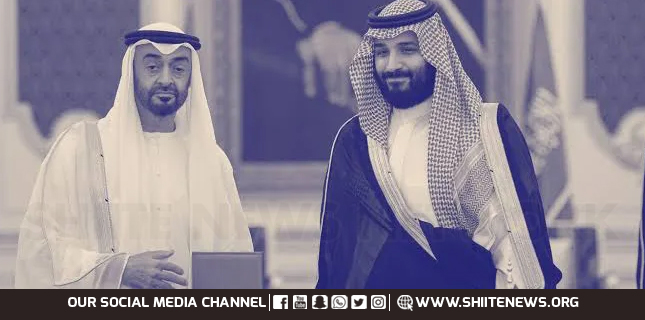
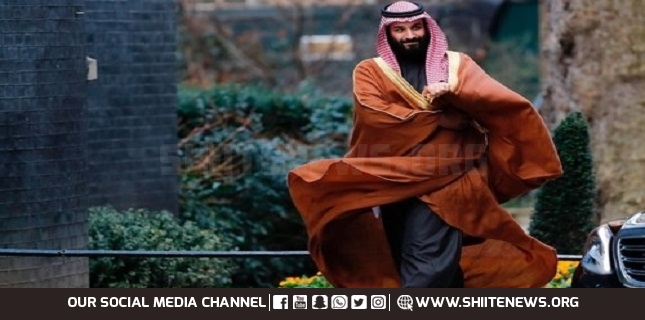
From greeting foreign leaders to heading regional summits, Crown Prince Mohammed bin Salman is taking over the reins from his elderly father and becoming Saudi Arabia’s uncrowned king.
With increased concerns over the nearly 86-year-old King Salman’s health, Prince Mohammed, 36, is taking charge of presidential meetings and reception of dignitaries, with the king rarely making public appearances.
While Prince Mohammed has been considered the de facto leader since his appointment as heir to the throne in June 2017, his growing prominence has never been more apparent than when he met French President Emmanuel Macron in early December, and led the Gulf Cooperation Council summit on Tuesday.
King Salman, who usually heads the annual meeting after warm embraces and friendly handshakes, was a no-show.
“The idea that a crown prince is the de facto ruler of the country, meeting with foreign presidents and presiding over summits, only happened before when Saudi kings were not in good health,” Yasmine Farouk, of the Carnegie Endowment for International Peace, said.
“What’s new is that there is now national and media acceptance of a parallel, even more important, role for the crown prince even when King Salman fulfils all his duties.”
Since the outbreak of Covid-19, King Salman has been residing in Neom, a futuristic development on the Red Sea.
His last meeting with a foreign official in Riyadh was in March 2020, when he sat down with then-UK foreign minister Dominic Raab, and his last trip abroad was to Oman to offer his condolences over the death of Sultan Qaboos in January 2020.
Prince Mohammed has sought to position himself as a champion of moderate Islam, even as his international reputation took a hit from the 2018 murder and dismemberment of Saudi journalist Jamal Khashoggi in the kingdom’s Istanbul consulate.
The crown prince, also known as MBS, has opened Saudi Arabia to tourists and foreign investments in an effort to diversify the economy of the world’s largest oil exporter economy away from crude.
He has overseen sweeping social changes, including allowing women to drive and work in the public sector, enabling citizens to enjoy the additional income and recreational outlets that opened up across the country.
These changes have come alongside a crackdown on dissent and free speech.
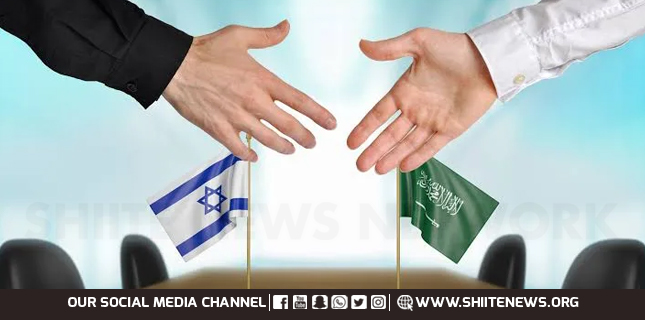
He even seemed more open than his father towards Israel, allowing its commercial aircraft to pass through Saudi air space.
According to Kristin Diwan, of the Arab Gulf States Institute in Washington, Prince Mohammed has benefitted from the king’s longevity.
“His ongoing presence conveys traditional authority to cover MBS’s youth and unconventional actions while rarely impeding them,” she said.
The Saudi authorities did not say why King Salman was not present at Tuesday’s summit, especially since he delivered a televised address on the country’s budget earlier in the week.
However, Saudi government adviser Ali Shihabi said the king is well and just being careful.
“Reliable sources confirm that the King is in excellent health, exercising every day etc but is 86 years old and is uncomfortable wearing a mask and has a tendency to want to shake hands and warmly greet people so extra caution is taken to keep him safe and away from public mtgs,” Shihabi tweeted on Wednesday.
Prince Mohammed embarked on a Gulf tour ahead of the summit, meeting with heads of Gulf Cooperation Council member states.
“Any current arrangement with the royal court happens only through the crown prince’s office,” a western diplomat, who spoke on condition of anonymity, said.
“The king is no longer in the picture… [Prince Mohammed] is no longer a king in the making, he is a king in the palace.”
His path to the throne is clear and has been for some time, with no foreseeable obstacles after he drove out one rival after another.
“There is no identifiable source of effective opposition inside or outside the royal family,” said Hussein Ibish, a Washington-based Middle East expert.
He added that “MBS is indeed becoming more prominent and powerful”.
Despite some concern that the international community would not want to deal with Prince Mohammed, especially after the Khashoggi murder, a Riyadh-based diplomat said that such fears “dissipated after Macron’s visit to Saudi Arabia”.
While US President Joe Biden vowed a tougher approach than his predecessor Donald Trump, and has yet to directly communicate with Prince Mohammed, the administration has made it clear that it is inevitable.
“It’s only a matter of time,” said the diplomat, who spoke on condition of anonymity.
Must Read
Pakistan
Sipah Sahaba Lashkar Jhangvi Terrorists Arrested: CTD Conducts Major Operation in Karachi
12-October،2026
Palestine
Khan Younis Fuel Depot Airstrike: 4 Palestinians Martyred, Several Injured
12-October،2026