Vance praises Trump amid deeper US involvement in Lebanon
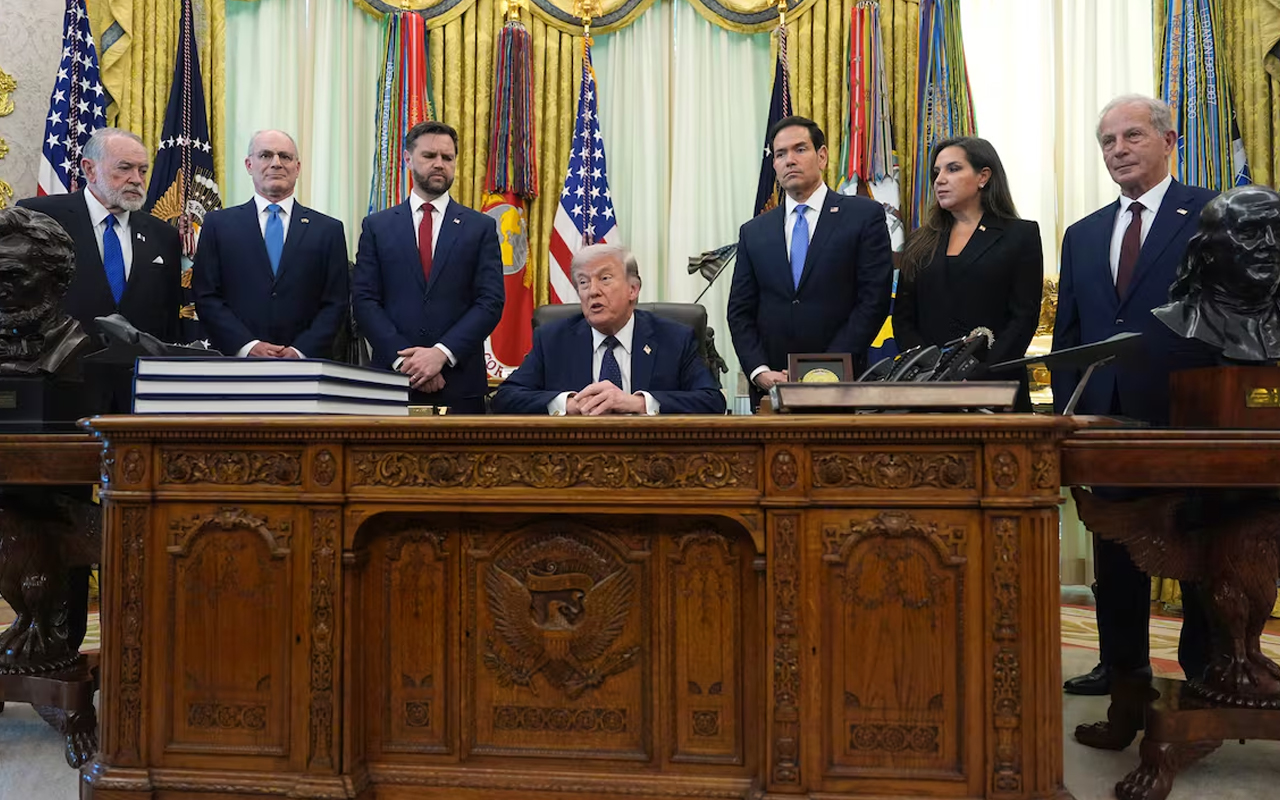
Trump stated that the United States would work with Lebanon “to help it protect itself from Hezbollah,” indicating continued US interference in the country’s internal affairs.
“They do have Hezbollah to think about,” Trump said. “We are going to be working with Lebanon to get things straightened out in that country,” he added.
He also described the meeting as a “very historic” moment, adding that he looks forward to hosting Israeli Prime Minister Benjamin Netanyahu and Lebanese President Joseph Aoun in the near future.
Vice President JD Vance described the ceasefire extension as a “major, historic moment,” crediting Trump’s direct involvement, saying it “wouldn’t have happened without the president’s direct engagement.”
Lebanon stresses negotiations do not equal concessions
Lebanese President Joseph Aoun emphasized that the talks should not be interpreted as concessions to “Israel”, framing them instead as a means to resolve outstanding issues while safeguarding Lebanon’s sovereignty.
“Negotiations do not mean concession or surrender; they are meant to resolve problems,” Aoun said, calling for national unity and support for state institutions during what he described as a critical phase.
Continued violations and push for buffer zone
The talks come amid continued Israeli violations of the ceasefire agreement that came into effect on April 17.
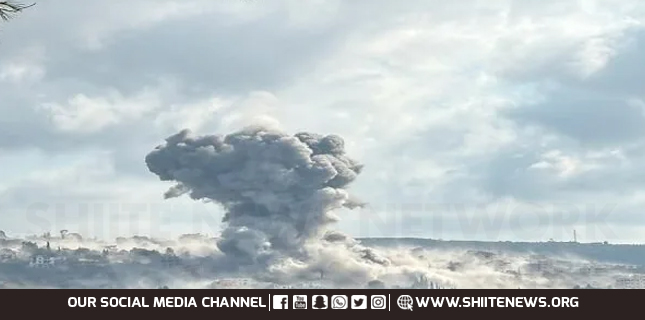
On Wednesday, Israeli forces carried out a strike on the town of al-Tiri in southern Lebanon, leading to the martyrdom of three people, including Al-Akhbar journalist Amal Khalil.
In parallel, “Israel” has sought to impose a buffer zone in southern Lebanon, referred to by its officials as the “Yellow Line.”
Lebanese Parliament Speaker Nabih Berri rejected the proposal, stating: “There are no yellow lines, no red lines, no green lines… no line concerns us, and we cannot accept that in any form.”
Resistance operations and deterrence dynamics
On the ground, developments indicate that Lebanon’s Resistance continues to play a central role in shaping the security landscape.
Hezbollah has carried out a series of retaliatory operations in response to more than 200 reported Israeli ceasefire violations, targeting military positions and movements in southern Lebanon.
These operations are viewed as part of ongoing efforts to prevent “Israel” from exploiting the fragile ceasefire to establish new facts on the ground or expand its presence in Lebanese territory.