Ahmad Iqbal Rizvi Criticizes Rising Petroleum Levy Burden on Public

WebDesk
12 May, 2026 11:29
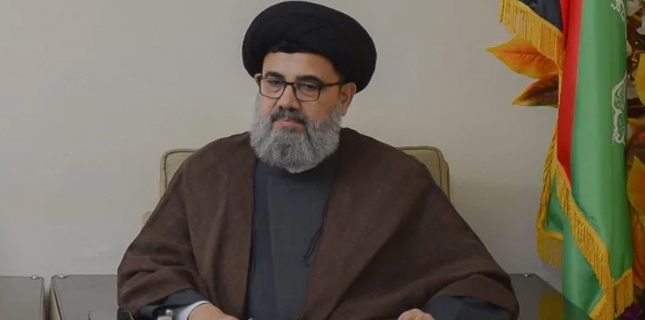
“The government has collected an additional Rs100 billion in petroleum levy within just 10 months, increasing the burden on the public continuously,” says Allama Syed Ahmad Iqbal Rizvi.
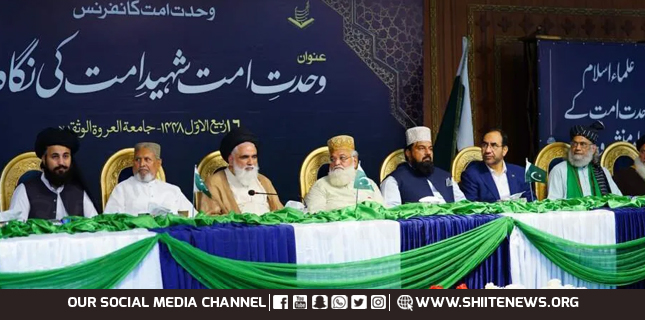
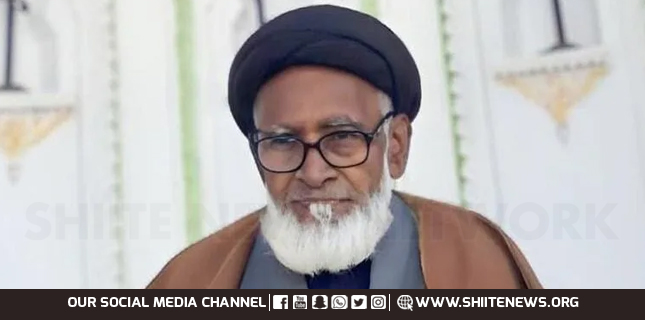
According to ShiiteNews, MWM Vice Chairman Allama Syed Ahmad Iqbal Rizvi stated that the federal government achieved its petroleum levy target in 10 months instead of the scheduled 11 months and additionally collected Rs100 billion from the public. He said this clearly indicates that the financial burden is continuously being shifted onto ordinary citizens.
Read More: Pakistanis Hate Trump and Netanyahu, Says Raja Nasir Abbas
He added that amid rising inflation and increasing prices of electricity, gas, and daily necessities, the additional levy on petroleum products has further intensified public hardships. He questioned why the government, while rapidly increasing revenue through public taxation, is reluctant to target sectors where there is significant room for expanding the tax net.
He pointed out that Pakistan’s retail and wholesale sectors remain among the weakest parts of the tax system despite billions of rupees in economic activity, with extremely low tax collection. Various economic reports have repeatedly highlighted that a major reason behind the tax shortfall is the lack of taxation in these sectors. However, due to political interests, vote-bank considerations, and vested interests, governments avoid bringing these sectors effectively into the tax net.
Rizvi said that if the government truly seeks economic justice, it must stop placing continuous pressure on salaried individuals, laborers, farmers, and ordinary consumers, and instead ensure that influential groups benefiting from the tax system for decades are also brought under equal legal accountability.
He emphasized that the state’s responsibility is not only to collect revenue but also to formulate a fair tax policy. Imposing additional petroleum levies on ordinary citizens while allowing major commercial sectors to enjoy exemptions for political reasons strengthens the perception of economic injustice and class-based preferences. He urged the government to implement the tax system equally across all sectors, regardless of political affiliations, so that the burden of the national economy is not carried solely by weaker segments of society.
Must Read