Thai oil tanker safely transits Strait of Hormuz after talks with Iran

WebDesk
26 March, 2026 01:08
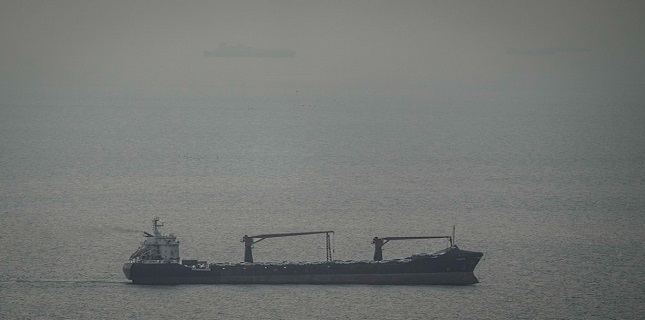
A Thai oil tanker has safely passed through the Strait of Hormuz following diplomatic coordination between Thailand and Iran and was not required to pay to escape the blockade, a Thai official and the oil major that owns the vessel said on Wednesday.
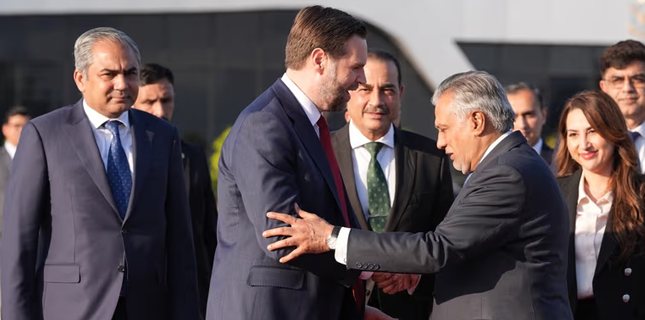
The Bangchak Corporation-owned tanker crossed the strategic waterway on Monday after successful talks between Thai Foreign Minister Sihasak Phuangketkeow and Iran’s ambassador to Thailand.
“I requested that if Thai ships need to pass through the strait, could they assist in ensuring safe passage?” Sihasak told reporters late on Tuesday. “They responded that they would take care of it and asked us to provide the names of the vessels that would be transiting.”
In a statement, Bangchak said its vessel, which had been anchored in the Gulf since March 11, was currently on its way back to Thailand. The company and a source in the Thai Foreign Ministry confirmed that no payment was made to Iran to ensure safe passage.
Another Thai vessel, owned by SCG Chemicals, is also awaiting clearance to transit the strait, Sihasak said.
How it all started
The US-Israeli war on Iran, which began on February 28, has effectively cut off the delivery of approximately one-fifth of the world’s oil and liquefied natural gas that typically passes through the Strait of Hormuz, causing widespread disruption to global energy markets.
Since the war began, Thailand has faced soaring transportation costs and lengthening queues at its gas stations, despite assurances from the government that supplies remain sufficient.
Iran has told the United Nations Security Council and the International Maritime Organization that “non-hostile vessels” may transit the strait if they coordinate with Iranian authorities.
‘Friends have a special place’
In a post on X, Iran’s embassy in Thailand said that the passage of the Thai ship reflected the close ties between the two countries. “Friends have a special place,” it said.
IRGC warns of underwater missiles
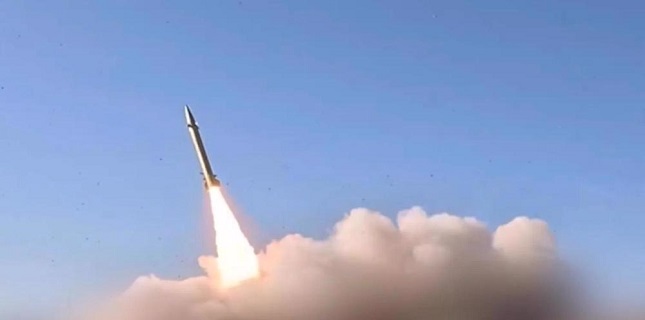
Brigadier General Ali Fadavi, deputy commander-in-chief of the Islamic Revolution Guard Corps, disclosed that Iran possesses underwater-launched missiles capable of traveling at 100 meters per second, suggesting their deployment could come within days.
He noted that Iran and Russia are the only two countries in the world to possess this technology and warned that Americans should brace for further surprises.
In a direct address to President Donald Trump, Brigadier General Majid Mousavi, commander of the IRGC Aerospace Force, called on him to instruct US Central Command to release before-and-after imagery of strikes on Iranian military installations, stressing that the footage is “worth seeing”.
Iran has continued striking US bases and Israeli-occupied territories in response to the joint US-Israeli aggression that has deliberately targeted residential areas, civilian infrastructure, and natural resources since February 28.
Implications for global shipping
The Strait of Hormuz remains a critical maritime corridor, and Iran’s measures signal tighter regulation of vessel movement amid escalating tensions caused by the US-“Israel” aggression on Iran.
Recent developments indicate that the US-Israeli war on Iran has already significantly disrupted commercial shipping through the Strait, with activity falling sharply as major carriers suspend or reroute traffic over security concerns. This disruption has contributed to delays and strain on global energy and freight flows.
Shipping firms have been reported to avoid transits or seek alternate routes, while several vessels are reportedly idle or turning back due to heightened risk and lack of secure passage.
The resulting bottleneck has also pushed up freight costs and insurance premiums, as underwriters classify the waters around the strait as high‑risk, further deterring commercial movement and adding to logistical challenges for global supply chains.
Energy markets have been affected more broadly, with analysts warning that sustained instability could exacerbate global fuel price volatility and create ripple effects for trade and production worldwide.
The successful coordination stands in contrast to the approach of the United States and “Israel”, whose military aggression has destabilized the region and disrupted one of the world’s most critical maritime chokepoints. While Washington has threatened to “obliterate” Iranian power plants and reportedly considers a ground invasion, Tehran has demonstrated its capacity to manage shipping through the strait on its own terms, allowing safe passage to vessels that engage diplomatically rather than through military confrontation.
Must Read