Egypt to enforce new power-saving measures as energy pressures mount

WebDesk
20 March, 2026 02:38

Egyptian Prime Minister Mostafa Madbouly announced that a new set of electricity-saving measures will take effect on 28 March, as the government moves to reduce pressure on the national power grid.
Under the measures, shopping centers, restaurants, and retail stores will be required to close at 9 pm on weekdays and 10 pm on weekends. Illuminated billboards will be switched off, while public lighting will be reduced to the minimum level deemed safe.
The plan also requires a number of government buildings to close at 6 pm as part of broader efforts to curb electricity consumption. Authorities are additionally studying the possibility of allowing employees in both the public and private sectors to work from home one or two days a week to ease demand on the grid.
The measures come amid rising global fuel prices driven by US-Israeli aggression on Iran, adding further pressure on energy-importing countries such as Egypt.
Energy war shock rattles global markets, fuels inflation fears
Oil and gas markets surged while global equities sank after a major US-Israeli aggression targeted Iran’s South Pars gas field, triggering a widening confrontation that is now reverberating across the global economy.
Brent crude climbed above $113 per barrel in early Thursday trading, marking a more than five percent surge, as markets reacted to the growing risk of disruption across the Gulf’s energy network. The spike follows one of the most consequential attacks on global energy infrastructure in recent years, given South Pars’ role as the world’s largest natural gas field.
The aggression reportedly damaged key facilities and temporarily reduced Iran’s gas output, forcing the country to redirect supply inward and suspend exports to neighboring states.
At the same time, European gas prices jumped more than 30 percent, reflecting the scale of the shock to global energy supply chains.
Energy retaliation
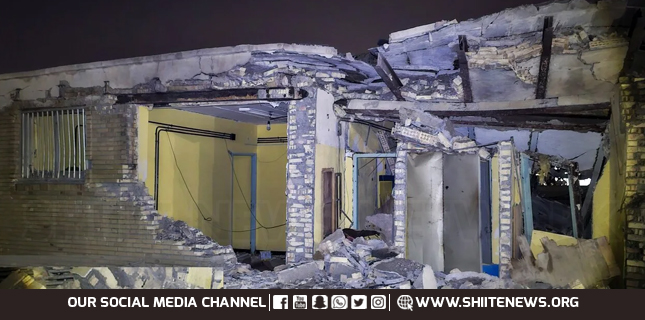
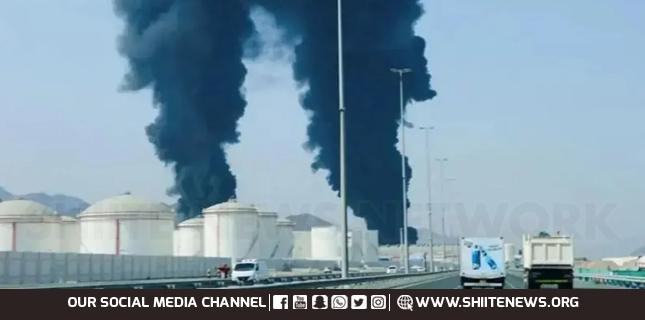
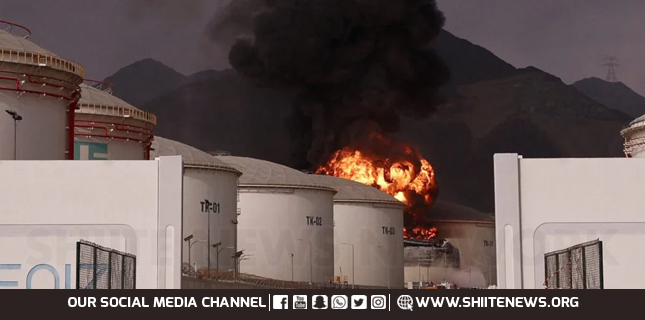
In response, Iran signaled that any aggression on its economic lifelines would not go unanswered, expanding its targets to energy sites across the Gulf. Iranian missiles struck facilities in Qatar, including the Ras Laffan industrial hub, the world’s largest liquefied natural gas (LNG) export center, causing extensive damage and raising concerns over supply chains that underpin nearly a fifth of global gas trade.
The response also disrupted operations elsewhere in the Gulf, with a gas facility in Abu Dhabi reportedly shut down after debris from intercepted missiles fell in the area.
Tehran said its response was a direct retaliation. In a statement carried by Tasnim, the military said, “As previously warned, if the fuel, energy, gas, and economic infrastructures of our country are attacked by the American-Zionist enemy, in addition to a powerful counterattack against the enemy, we will severely strike the origin of that aggression as well.”
It added, “We consider targeting the fuel, energy, and gas infrastructures of the countries of origin legitimate and will retaliate strongly at the earliest opportunity.”
Iranian President Masoud Pezeshkian warned that the aggression on South Pars “will complicate the situation and could have uncontrollable consequences, the scope of which could engulf the entire world.”
Global market shock
The economic fallout was immediate. Stock markets across Asia and beyond fell sharply as investors reacted to the escalation.
Tokyo dropped more than three percent, while Seoul fell over two percent. Markets in Hong Kong, Shanghai, Sydney, Singapore, and Mumbai also declined, reflecting a broad retreat from risk assets.
The selloff extended to Western markets, with Wall Street and European indices closing lower, reversing earlier gains driven by the tech sector.
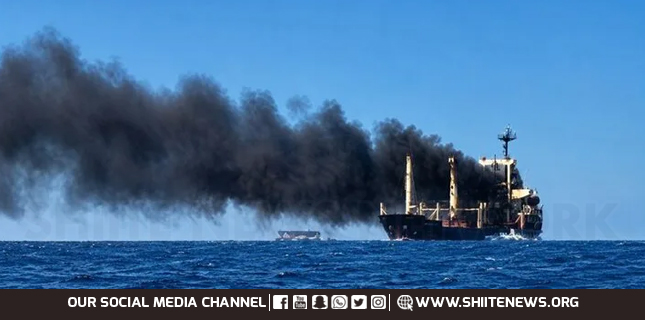
At the same time, the Strait of Hormuz, through which roughly 20 percent of global oil and gas flows, has seen severe disruption, with tanker traffic collapsing amid mounting security risks.
Inflation risks rising
The surge in energy prices is now feeding into broader concerns over inflation and monetary policy.
Higher fuel costs are expected to drive price increases globally, raising the prospect of renewed interest rate hikes or delayed easing cycles.
US Federal Reserve Chair Jerome Powell acknowledged the uncertainty, stating, “We’re right at the beginning of this, and we don’t know how big this will be and how long it lasts.”
Central banks are already reacting. The Bank of Japan warned that inflation could spike due to rising energy costs, while Australia’s central bank recently raised interest rates, citing sharply higher fuel prices.
Investors are now closely watching upcoming decisions by the European Central Bank and the Bank of England for signs of how policymakers intend to respond to the unfolding shock.
Energy war shift
The escalation signals a structural shift in the war, where energy systems, rather than solely military targets, have become central to the US-Israeli aggression.
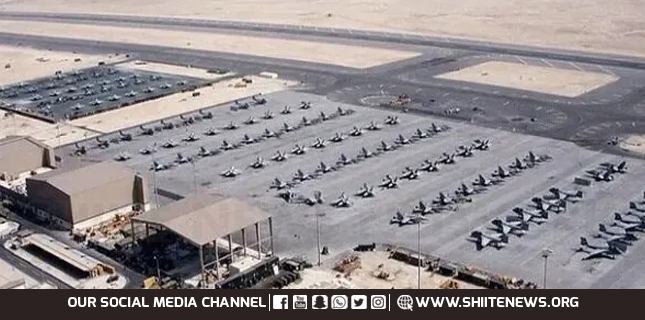
Iran had previously warned Gulf states hosting US military infrastructure that their economic assets could become exposed if used in attacks against Iran.
French President Emmanuel Macron called for a halt to such actions, warning that targeting energy and civilian infrastructure threatens global stability.
Volatility set to persist
Despite the recent surge, analysts warn that markets are now pricing in a prolonged period of instability centered on energy supply disruptions.
AJ Bell’s head of financial analysis, Danni Hewson, told CNN that the escalation has “helped dial up the temperature once again and put renewed upward pressure on oil prices.”
She added, “Any solution to the blockage of the Strait of Hormuz looks pretty distant at this point, and until there is progress on that front, energy markets will likely remain volatile.”
In Washington, authorities moved to ease domestic pressure by suspending the Jones Act for 60 days to allow fuel shipments to move more freely.
However, the measure is unlikely to offset the structural impact of the crisis, as supply risks, not logistics, are driving the surge.
Must Read


World
IMCR Announces 51-Member National Monitoring Committee for Civil Rights in India
3-September،2026