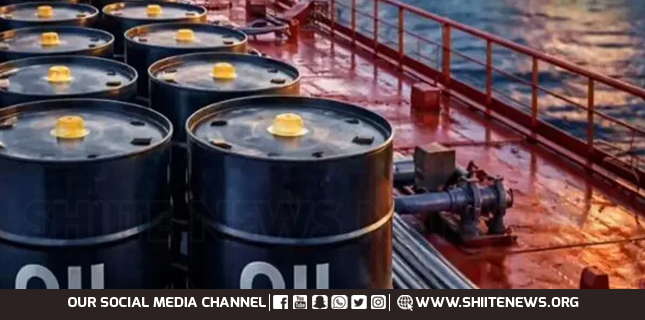
Airlines raise fares as oil prices surge amid US-Israeli war on Iran

WebDesk
10 March, 2026 05:03
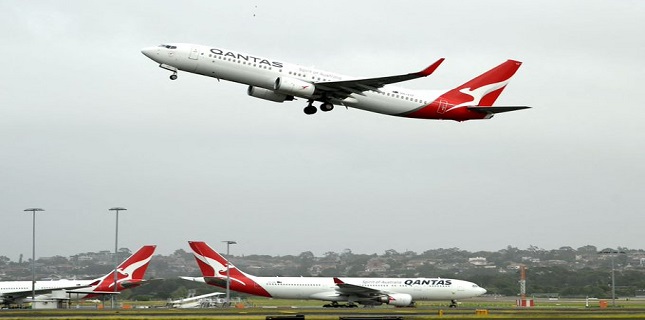
Air New Zealand said on Tuesday it has raised ticket prices due to the US-Israeli war on Iran and may take further pricing action, highlighting how airlines are passing on the costs of surging oil prices to passengers.
Jet fuel prices, which were around $85 to $90 per barrel before the war, have jumped sharply to between $150 and $200 per barrel in recent days, the airline said, adding it was suspending its financial outlook for 2026 due to uncertainty surrounding the war.
The US-Israeli war on Iran has sent oil prices soaring, disrupting global travel and raising fears of a sharp downturn in demand and the potential grounding of aircraft if costs remain elevated.
In an emailed response to Reuters, Air New Zealand said it had increased one-way economy fares by NZ$10 ($5.92) on domestic routes, NZ$20 on short-haul international flights, and NZ$90 on long-haul services.
While ticket prices have already surged on Asia-Europe routes due to airspace closures and limited capacity, Air New Zealand is among the first airlines to announce broad fare increases since the start of the war. “If the conflict leads to continued elevated jet fuel costs, we may need to take further pricing action and adjust our network and schedule as required,” the airline said.
Airlines grapple with rising fuel costs
As oil prices climb, Vietnam Airlines has asked authorities to remove an environmental tax on jet fuel to help maintain operations. Vietnam’s government said the country’s airlines have seen operating costs rise between 60% and 70% due to higher jet fuel prices, while fuel suppliers are struggling to meet demand.
Air New Zealand said there were currently no disruptions to jet fuel supplies in New Zealand but added it was working closely with suppliers and the government to monitor global developments.
Some airline stocks recovered after US President Donald Trump said on Monday the war could end soon, sending markets on a volatile ride. Oil prices fell back to around $90 a barrel on Tuesday after hitting a high of $119 the day before.
In Asia, airline shares showed signs of stabilising. Air New Zealand rose about 2% after falling nearly 8% on Monday. Korean Air Lines climbed 6% after dropping 8.6% a day earlier, while Australia’s Qantas Airways gained more than 1% after a 4.5% fall. Japan Airlines also rose over 2%.
Fuel is the second-largest expense for airlines after labour, typically accounting for between one-fifth and one-quarter of operating costs. While some Asian and European carriers hedge fuel purchases, US airlines largely abandoned the practice over the past two decades.
High oil prices and airspace closures linked to the war are tightening capacity, pushing ticket prices higher on some routes and forcing some travellers to reconsider plans ahead of the peak summer season.
War ripples through the travel industry
Rising fuel costs could have serious consequences for the global travel industry as airlines reroute flights to avoid West Asia, adding pressure to already limited airspace.
Emirates, Qatar Airways, and Etihad together normally carry about one-third of passengers traveling from Europe to Asia and more than half of those flying from Europe to Australia, New Zealand, and nearby Pacific islands, according to aviation data firm Cirium.
The war is already affecting tourism. South Korea’s HanaTour Service said it has cancelled group tours involving flights to West Asia, including trips to Dubai or itineraries transiting through the city on the way to Europe. The company said it is waiving cancellation fees and suspending all tours to West Asia for March.
Thailand’s Ministry of Tourism warned that if the war lasts longer than eight weeks, the country could lose nearly 596,000 tourists and about 40.9 billion baht ($1.29 billion) in tourism revenue.
Must Read
Middle East
Violating Oil Tanker Strait of Hormuz: Law-Breaking Tanker Engulfed in Flames
11-October،2026


Pakistan
Allama Syed Hassan Zafar Naqvi MWM Mashhad Visit: Organizational Affairs Briefing Held
11-October،2026