US war on Iran burns past $1bn in early days, with total projected to exceed $95bn

WebDesk
05 March, 2026 11:48
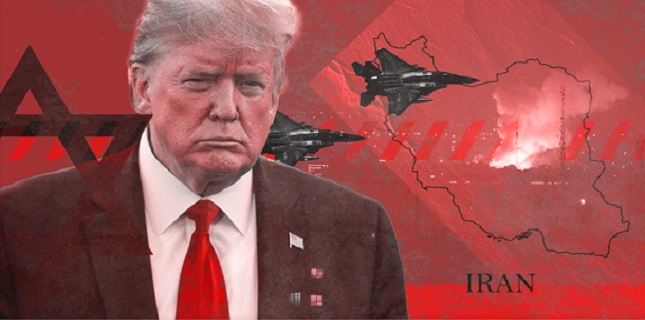
The United States’ expanding military aggression against Iran is already carrying a multibillion-dollar price tag, with early estimates suggesting American taxpayers have absorbed more than $1 billion in costs in just the opening phase of the war.
Budget analysts warn that if the war continues, total direct military expenses could climb to between $40 billion and $95 billion, with broader economic damage potentially far higher.
The financial toll began accumulating even before the first wave of strikes on Saturday. Moving aircraft carriers, warplanes and tens of thousands of troops into position cost an estimated $630 million, according to The Wall Street Journal, citing an expert.
The war, unprovoked and unjustified, came in the middle of indirect nuclear talks between Iran and the United States and targeted, among others Leader of the Islamic Revolution, Ayatollah Seyyed Ali Khamenei, drawing strong retaliation from Iran.
Aircraft losses add hundreds of millions
Combat losses quickly compounded the expense. Three F-15E Strike Eagle fighter jets were downed in Kuwait on Sunday, US Central Command confirmed, representing a minimum loss of nearly $300 million based on an estimated $90 million cost per aircraft.
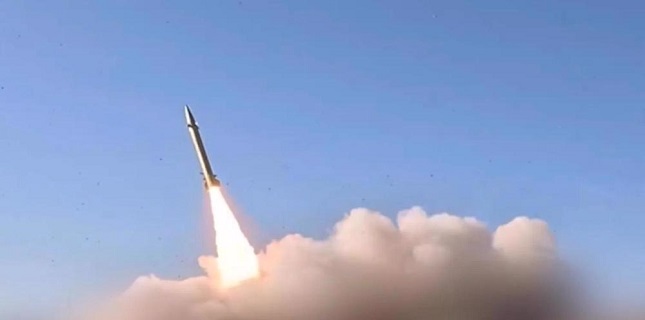
The scale of aggression has been sweeping. United States Central Command (CENTCOM) claimed Monday that more than 1,250 targets inside Iran had been hit within the first 48 hours of the imposed war. It also claimed that more than 20 separate weapons platforms and military systems have been deployed in the assault.
From lower-cost unmanned systems to advanced bombers and missile defense interceptors, the range of hardware involved reflects the campaign’s intensity – and its growing bill.
The high cost of modern warfare
Among the most frequently used tools are one-way “kamikaze” drones, which are destroyed upon impact. Each drone is estimated to cost about $35,000. If used in roughly 1,250 strikes, the price would total approximately $43.8 million, though the precise number deployed has not been publicly confirmed.
More advanced systems carry significantly higher operating costs. B-2 stealth bombers used in the strikes cost between $130,000 and $150,000 per flight hour to operate, according to The New York Times. Tomahawk cruise missiles, also reportedly used in the war, carry an estimated $2 million price tag per missile.
Defensive systems are similarly expensive. Terminal High Altitude Area Defense (THAAD) interceptors, used to counter incoming strikes, cost approximately $12.8 million each, based on Pentagon documents cited by The Hill. The total number of interceptors fired remains unclear.
Meanwhile, the daily cost of maintaining a massive US military presence continues to mount. Approximately 50,000 American troops are currently involved in the war, according to The Washington Post, with additional forces potentially en route.
Naval operations alone are consuming millions per day. Two aircraft carriers have been deployed to the region, one of which has been successfully hit.
The Center for a New American Security previously estimated that each carrier costs at least $6.5 million per day to operate, or roughly $13 million daily for two. Operating expenses have likely risen since that 2013 estimate.
Bloomberg reported in February that operating the USS Gerald Ford cost approximately $11.4 million per day during a previous deployment.
Long-term financial projections
Economists caution that the war’s final cost will depend heavily on its duration.
Kent Smetters, director of the Penn Wharton Budget Model, was quoted as saying by Fortune that direct military costs are likely to reach at least $40 billion.
He suggested the more probable figure is closer to $65 billion and could rise to $95 billion if the US aggression persists. That estimate includes both active operations and the cost of replenishing weapons and equipment as Iranian retaliation grows bigger.
The indirect economic impact may prove even greater. Smetters projected that disruptions to trade flows, energy markets and broader economic activity could produce US losses ranging from $50 billion to $210 billion.
Billions already spent before latest escalation
The United States had already committed substantial resources to military operations involving Iran before the latest aggression on Saturday.
Brown University’s Costs of War project estimates that US military activity in Iran cost between $2 billion and $2.25 billion in 2025 alone, including strikes during last year’s “12-Day War,” which targeted three of Iran’s peaceful nuclear facilities.
Military deployments to the region have also surged dramatically. The Wall Street Journal reported in February that more American aircraft had been moved to the West Asia region in recent weeks than at any time since 2003, as US President Donald Trump continues to be swayed by the Israeli agenda without worrying about the safety of US personnel or the high costs of war American taxpayers have to pay for.
Context: Other costly military campaigns
The military campaign against Iran follows a similar buildup in Venezuela, where daily operations cost an estimated $31 million before the overthrow of President Nicolas Maduro, according to the Center for Strategic and International Studies.
Bloomberg reported earlier this year that total expenditures in that theater of war, which was widely condemned worldwide, had likely exceeded $3 billion.
More broadly, Brown’s Costs of War project estimates the US spent between $31.5 billion and $33.7 billion in West Asia from October 2023 through September 2025, encompassing aid to the Israeli regime and operations in Iran, Yemen and neighboring areas.
Looking further back, Brown researchers estimated in 2021 that total US war spending since the September 11 attacks reached $5.8 trillion, factoring in long-term obligations such as veterans’ medical care and domestic counterterrorism efforts.
Economic and human consequences
Financial costs represent only part of the toll. The simmering war imposed on Iran by the Israeli-American axis of evil has already disrupted global energy markets, pushing oil and gas prices higher and raising concerns about renewed inflationary pressure in the United States.
Major stock indexes dropped roughly 1% before markets opened Monday following the initial weekend strikes, though they later rebounded.
The closure of the Strait of Hormuz, the narrow strategic waterway through which most of the oil passes on a daily basis, has sent shockwaves across the world.
Beyond economic fallout, the human cost is mounting. More than 1,000 fatalities have been reported in Iran, a vast majority of them civilians, including schoolchildren.
CENTCOM has confirmed that at least six US military personnel have been killed so far, but the real toll, as Iran’s top security official Ali Larijani said on Wednesday, is over 500.
The Israeli-occupied territories have been pounded by Iranian ballistic missiles and drones in ways like never before, causing numerous casualties and massive collateral damage. US assets in the United Arab Emirates, Bahrain, Qatar, Jordan, Saudi Arabia, Iraq have also incurred heavy and unprecedented losses.
With operations still underway and additional forces mobilizing, both the financial and human price of the war appear set to climb, leaving US policymakers and taxpayers confronting what could become one of the most expensive military engagements in recent years. And US taxpayers, already weary of forever war, have only Trump to blame for it.
Must Read

World
Thousands Protest in Spain in Support of Palestine, Demand End to Ties With Israel
30-August،2026

Palestine
Palestine Issue Can Be Resolved Through Resistance and Popular Referendum, Scholars Say
30-August،2026