Cuba’s president rejects Trump threats, vows to defend sovereignty

WebDesk
12 January, 2026 07:32
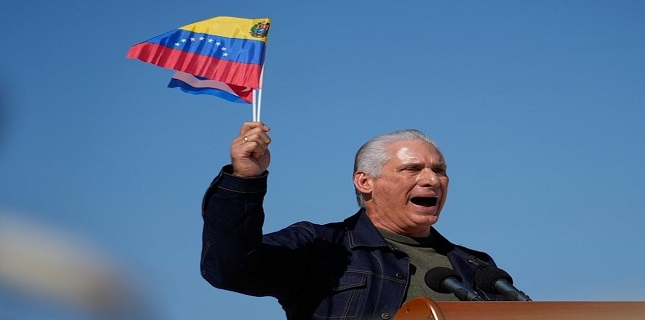
Cuban President Miguel Díaz-Canel said on Sunday that Cuba is “a free, independent, and sovereign nation, and no one dictates to us what we must do,” stressing that the country does not aggress against others but has instead faced aggression from the United States for 66 years.
Responding to threats by US President Donald Trump, Díaz-Canel said Cuba “does not threaten, but is prepared,” affirming the country’s readiness to defend the homeland “to the last drop of blood.”
The Cuban president said that “those who point fingers at Cuba have no morals whatsoever, in anything, and they are the ones who turned everything into a business, even human life.”
He added that “the hysterical attack Cuba is facing today stems from the anger of some over the sovereign decision of these people to choose their political model.”
On the economic situation, Díaz-Canel said that “those who blame the revolution for the severe economic hardships we are experiencing should be ashamed of their silence,” noting that they know and acknowledge these hardships are the result of strict coercive measures imposed by the United States on Cuba for more than six decades, with the risk of further escalation in the current period.
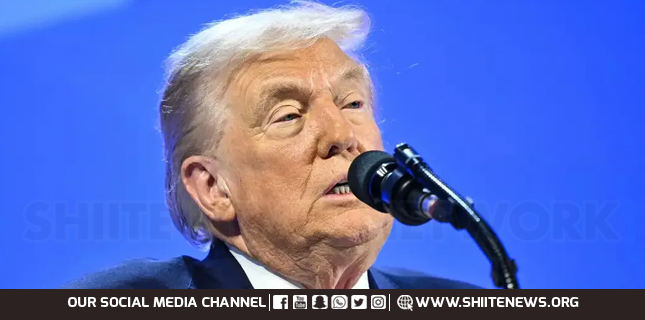
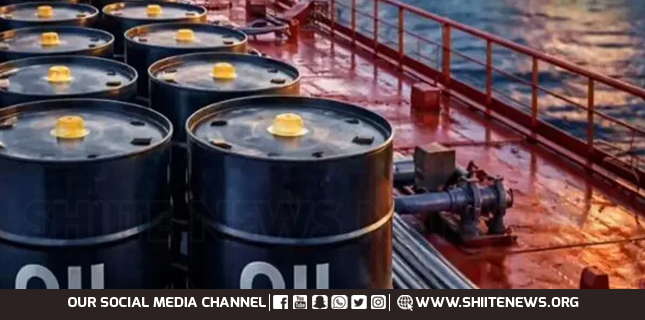
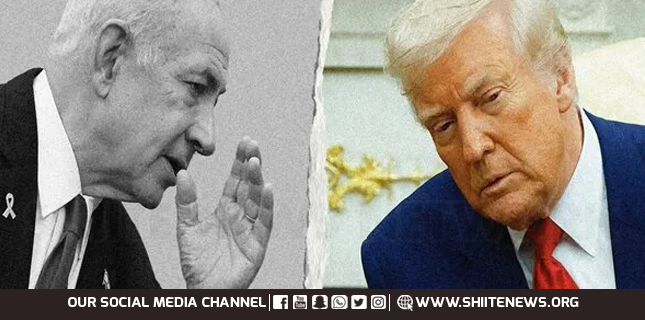
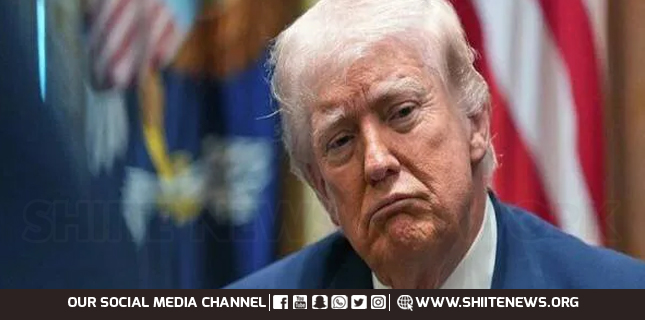
Earlier on Sunday, Trump announced that Cuba “will no longer receive any oil or money from Venezuela,” urging Havana to “make a deal before it is too late.”
In a post on his account on Truth Social, Trump said Cuba had relied for years on large quantities of oil and funds coming from Venezuela, adding that these supplies would be completely cut off and stressing the need to reach an agreement as soon as possible.
Cuba faces aggression with resistance
Cuban President Miguel Diaz-Canel addressed the National Assembly in late December, emphasizing the approval of the Economic Plan, the State Budget, and the Science, Technology, and Innovation Law.
During his speech, Diaz-Canel acknowledged the complex crisis facing Cuba, intensified by the US blockade and a volatile international context that threatens multilateralism, international law, and global peace.
He highlighted the economic aggression Cuba faces, including the escalation of the blockade, the country’s designation as a “state sponsor of terrorism,” and disruptions to international trade and financial transactions.
The president noted that 2025 had presented significant challenges but underscored growing international support against the embargo and Cuba’s recent inclusion in the BRICS group, which strengthened its role in the global South.
US ‘peace through strength’ facade for imperialism
Diaz-Canel criticized the US “peace through strength” doctrine, asserting that it aims to impose imperialist domination, seize natural resources, and threaten Venezuela through acts of war and maritime piracy.
Reaffirming Cuba’s resilience, Diaz-Canel said the nation is guided by three principles: unity, continuity, and creative resistance. He stressed the importance of discipline, innovation, and active popular participation across all sectors to navigate the ongoing crisis.
The president called for macroeconomic stabilization, correction of distortions, and productive growth, emphasizing the importance of accountability and taking concrete measures to ensure social justice and economic sustainability. He also highlighted the role of science and innovation as drivers of development, advocating for closer integration between universities, businesses, and local communities to create practical solutions in areas such as production, energy, health, and daily life.
Díaz-Canel concluded by stressing the need to translate laws and plans into tangible results and proposed declaring 2026 the Year of Fidel Castro’s Centennial, encouraging all efforts to reflect the late leader’s spirit of solidarity and commitment to social justice.
Must Read
Pakistan
Majlis-e-Takreem-e-Shuhada Isfahan: MWM Pays Glowing Tribute to Shaheed Syed Hassan Nasrallah
13-October،2026
Pakistan
Gaza Former Mufti Jamia Urwatul Wusqa Visit: Dr. Mahmoud Al-Shoubaki Meets Allama Jawad Naqvi
13-October،2026