Saudi aggression brings Yemen’s economy ‘a century’ backwards: Report

15 May, 2015 15:56
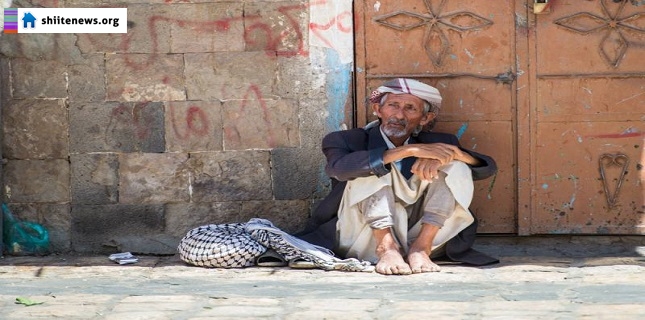
Saudi Arabia’s war on Yemen has brought the country’s improvised economy to its knees, forcing the people to use alternative and older technologies, says a fresh report.
The report was conducted over a period of several weeks by Middle East Eye (MEE), a UK-based news organization which aims to shed more light on the economies of the Middle East.
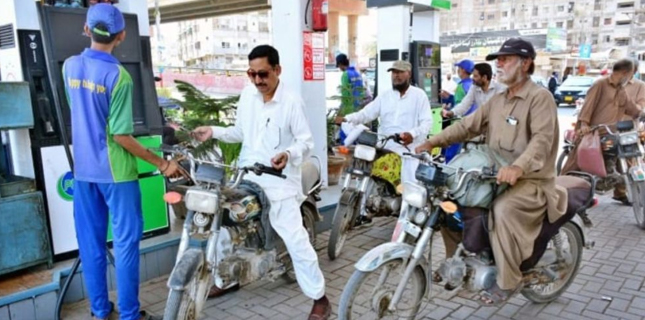
As Saudi Arabia and its allies continue to destroy millions of dollar worth of vital infrastructure in Yemen, people are being forced to use “phone lines to power lamps, paint-thinner to run motorbikes and donkey carts to transport medical supplies to remote villages as Yemenis, trapped in an escalating conflict, are seeking out alternative ways to survive,” according to MEE’s report.
Water shortages and power outages were common in Yemen since a massive revolution that saw the overthrow of ex-president Ali Abdullah Saleh back in 2011.
But in recent weeks, after Riyadh and several of its allies from the Persian Gulf and Egypt, Morocco, and Jordan, which were all backed by the US and its Western allies, decided to wage a war on Yemen, conditions there further deteriorated.
A Saudi bombing campaign began against Yemen because Riyadh refuses to recognize a massive uprising led by the Ansarullah Houthi movement Houthi that overthrew the Saudi-backed former president Abd Rabbuh Mansur Hadi.
MEE’s report stated that in the last week, the cost of 1.5 liters of paint-thinner has risen from 500 Yemeni rials ($2) to 1,800 rials ($8), quadrupling in value.
“If it’s a bright day I can power the television for an hour and find about how much more my country has been destroyed,” it quoted one resident as saying. Many in Yemen, the report said, were “unable to afford propane.”
In the western province of Hodeidah, aid organizations have begun using donkey carts as an alternative way to distribute water to people in need, it said.
Saudi Arabia’s naval blockade of the country was also helping the financial situation in Yemen deteriorate even more, as important vital commodities including aid cannot get into the country.
“It is a flat and rural governorate, so it makes sense to use donkeys,” said Salah al-Homaidi, the executive manager of the national center for freedoms and development.
“It is sad though – seeing people use donkeys to transport wheat, rice and sugar from the market to their houses. We’ve gone back a century,” he added.
Saudi Arabia started its military aggression against Yemen on March 26 – without a UN mandate – in a bid to undermine the Houthi Ansarullah movement, which currently controls Sana’a and other major provinces, and to restore power to the Yemeni fugitive former president, who is a staunch ally of Riyadh.
Must Read