Trump’s war on Iran puts Italy’s Meloni in political bind

WebDesk
07 March, 2026 09:09
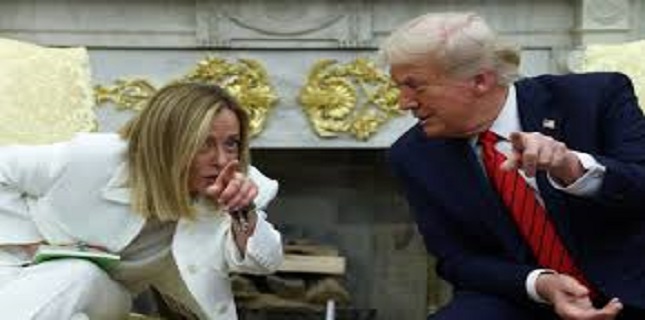
US President Donald Trump’s strikes on Iran are creating political challenges for Italian Prime Minister Giorgia Meloni, just weeks before a crucial March 22–23 referendum that could determine the future of her government.
Although the referendum officially concerns judicial reform, it has increasingly turned into a broader vote of confidence in Meloni’s leadership.
Her close relationship with Trump, a cornerstone of her foreign policy strategy, is now becoming politically costly in Italy, where the US president remains widely unpopular. According to YouGov polling, 77% of Italians hold an unfavorable view of Trump.
Meloni has been attempting to maintain a delicate balance: preserving her alliance with Washington while reassuring voters that Italy will not be drawn directly into the war with Iran. “We’re not at war; we don’t want to go to war,” Meloni said during an interview with RTL radio.
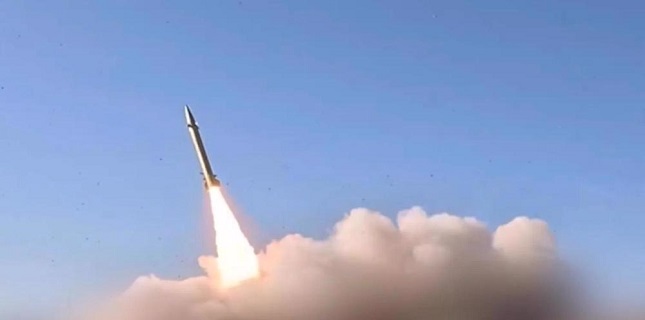
Rome has pledged air-defense assistance to Gulf states targeted by Iranian retaliatory strikes, while Italy’s defense ministry has indicated it could deploy naval assets to protect Cyprus.
At the same time, Meloni stressed that US military bases in Italy are authorized only for logistical support, not for launching offensive operations.
Concerns over energy prices and public opinion
The war has heightened fears in Italy about rising energy costs, a sensitive issue in a country already facing some of the highest electricity prices in the European Union. The government has begun emergency discussions with energy companies to mitigate potential price increases in fuel and food.
Analysts say the timing of the war could significantly affect the referendum outcome. “Meloni is keeping a low profile,” said analyst Leo Goretti of the Istituto d’Affari Internazionali. “Public opinion is overwhelmingly against Italian involvement in the war, but she also needs to preserve relations with Trump.”
That said, opposition parties have seized on the issue, accusing Meloni of refusing to criticize Washington.
During a parliamentary debate, lawmaker Angelo Bonelli from the Green and Left Alliance warned that even logistical support to US forces could effectively draw Italy into the war. “You are leading Italy into war,” he told the government. Another opposition lawmaker, Arnaldo Lomuti of the Five Star Movement, sarcastically suggested that Rome should distance itself from Washington and Tel Aviv.
Meloni has invested heavily in cultivating ties with Trump, hoping to position herself as a key European interlocutor with Washington. However, critics argue that recent events have highlighted Europe’s limited influence over US strategic decisions, especially after reports that Italian officials received little warning before the strikes on Iran.
With the referendum now too close to call, the escalating war in the Middle East may become a decisive factor in Italy’s domestic political landscape.
Frustration mounts among US allies
On a related note, a report by Fortune on Friday revealed that US allies are expressing growing frustration with the Trump administration. Qatar’s energy minister, Saad al-Kaabi, warned that the war could “bring down the economies of the world” by shutting down Gulf energy exports and driving oil prices to $150 a barrel.
In Dubai, the business community voiced strong criticism. Billionaire hotel owner Khalaf Al Habtoor wrote on X: “Who gave you the authority to drag our region into a war with Iran? You have placed the Gulf Cooperation Council and Arab countries at the heart of a danger they did not choose.”
Many analysts now believe the conflict may last longer than initially expected. Economist Ed Yardeni said his team previously thought the war would be short.
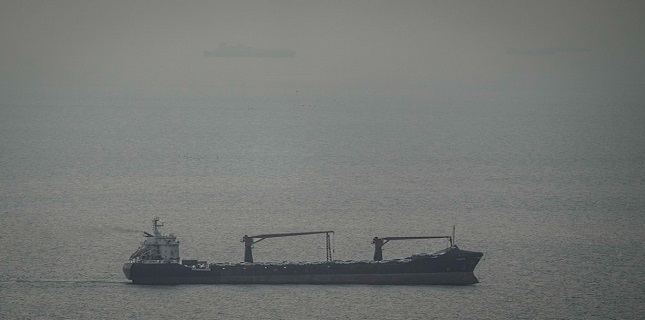
“On Tuesday, we had second thoughts about the length of the conflict. Iran’s regime had prepared by adopting a chaos strategy, launching missiles and drones not just at U.S. and Israeli targets, but also at neighboring countries. The strategy includes disrupting shipping through the Strait of Hormuz. By causing widespread disruption, Iran hopes to pressure its adversaries into a ceasefire that preserves the regime’s power.”
Must Read
Pakistan
Quetta: Youth Dies in Police Custody, Strong Reaction from Allama Ali Hasnain Hussaini
4-April،2026