
Saudi Authorities Arrest Prominent Shia After His Call for a Constitutional Monarchy

01 March, 2011 13:12
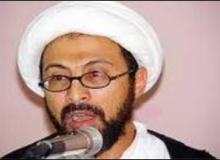
 Saudi authorities arrested Sheikh Tawfiq Al-Amer one of the most prominent Shia in Al-Ahsa who was a peaceful freedom fighter and civil rights activist after recently invited to a constitutional monarchy in the Kingdom.
In an official invitation Sheikh Amer was invited to police station of Damam, where he was taken upon arrival directly to the station.
One of the family members of Sheikh Amer said that they had received a telephone call at mid-night in which the Department  of Investigation in expressed the detention of Sheikh Amer and added he is visit banned.
Sheikh Amer arrest came after his last Friday sermon in the mosque Imam Baqi of Al-Ahsa in which he called for a constitutional monarchy in Saudi Arabia and put an end to sectarian discrimination in the country.
Saudi Arabia Should Immediately Free Shia Cleric Who Backs Change and Eequal Rights for Shia

Saudi authorities should immediately release a Shia cleric apparently arrested on February 27, 2011, for calling for a constitutional monarchy and equal rights for Shia in his Friday sermon, Human Rights Watch said today.
The domestic intelligence agency, the General Directorate for Investigations, summoned Shaikh Tawfiq al-‘Amir to Hofuf in the al-Ahsa district of the Eastern Province and then arrested him, according to family members. No official reason was given for his arrest.
“The Saudi government should listen to the demands of its citizens, not seek to stifle them,” said Christoph Wilcke, senior Middle East researcher at Human Rights Watch. “Calling for equal rights for an oppressed religious minority should not be a reason for harassment and arrest.”

The arrest comes amid mounting pressure for political reform in Saudi Arabia as pro-democracy demonstrations sweep through the Middle East.
Various internet sites have called for a Saudi “Day of Rage” on March 11 and March 20, with nationwide demonstrations. Public protests are banned by the authorities in Saudi Arabia. Publicly identifying with demands for political reform remains risky in Saudi Arabia and can lead to harassment or detention.
On February 25 there were peaceful marches in the Shia towns of Safwa and Qatif in the Eastern Province. Residents of al-‘Awwamiyya, an adjacent small Shia town, held a silent vigil the same day calling for the release of the so-called “Forgotten Prisoners,” nine Shia Saudis detained without charge or trial for over 12 years over unproven allegations of their involvement in the 1996 attacks on US military targets in Khobar that killed 19 Americans.
“The Saudi government risks being overtaken by history,” Wilcke said. “Throughout the region citizens are demanding their rights. Persisting with outdated authoritarian ways is a recipe for instability.”
Must Read
Pakistan
Americans Should Think About How A Madman Is Their President: Hafiz Naeem-Ur-Rehman
6-April،2026
Related News
8:30 AM
April 6, 2026
BREAKING NEWS