Saudi Aramco cuts oil supply to Asia

WebDesk
23 March, 2026 03:02
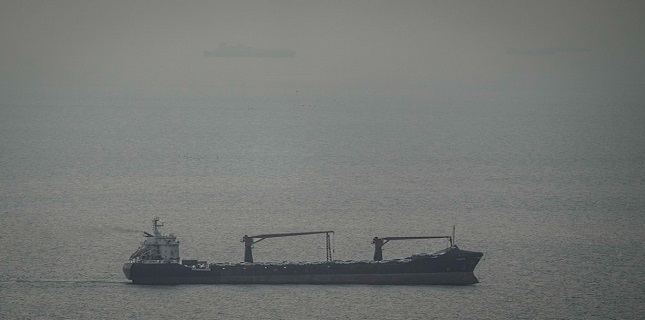
Saudi Aramco, the world’s leading oil exporter, has reduced its crude supply to Asian buyers for April, according to two sources familiar with the matter, cited by Reuters. The move comes as disruptions to trade routes have affected shipping flows in the region.
The company is reportedly supplying only Arab Light crude exported from the Yanbu port to its term customers during this period, the sources said.
The reduction in supply follows disruptions linked to heightened tensions involving the US-Israeli war on Iran and the latter’s retaliation, which impacted maritime trade through the Strait of Hormuz.
The Strait of Hormuz is a critical chokepoint for global oil shipments, and any instability in the area can have significant implications for energy flows, particularly for countries in Asia that rely heavily on imports from the Gulf.
Arab Light Crude and Yanbu Port operations
Yanbu, located on the Red Sea coast, serves as one of Saudi Arabia’s key export hubs, offering an alternative route that bypasses the Strait of Hormuz.
Asian refiners, which represent a major share of global oil demand, are directly affected by the reduced supply. Term customers, those with long-term contracts, are receiving limited allocations under the adjusted supply strategy.
Such changes may prompt refiners to reassess sourcing strategies, diversify supply channels, or adjust procurement volumes depending on availability and pricing dynamics.
While the exact duration of the disruption remains unclear, global oil trade routes and export decisions by major producers like Saudi Aramco continue to be affected.
Global economy at risk as war on Iran escalates
In a related context, the Financial Times on Saturday warned that the ongoing war on Iran is rapidly evolving into a global economic crisis, as initial assumptions of a short-lived escalation give way to mounting fears of prolonged disruption across energy markets and supply chains.
According to the report, financial markets had been “lulled by the belief that the conflict would not last long,” leading investors to underestimate the risks tied to instability in the Strait of Hormuz, a critical artery through which roughly one-fifth of global oil and liquefied natural gas flows.
However, with hostilities entering a fourth week and de-escalation prospects fluctuating daily, analysts now see worst-case economic scenarios beginning to materialize. The newspaper noted that sustained disruption to the waterway could trigger an oil shock exceeding those seen during the October 1973 war and the Iranian Revolution, underscoring the scale of potential fallout.
Oil prices have already surged by more than 50% since the outbreak of hostilities, with some Middle Eastern crude benchmarks nearing $160 per barrel as supply constraints deepen.
Iran has framed its actions in the Strait as a defensive response to US-Israeli aggression, maintaining that restrictions on maritime transit are targeted rather than absolute, aimed at states involved in the war while preserving flows for others.
Must Read