Strategic Depth mindset brought Pakistan to FATF terror financing list

30 June, 2018 10:45
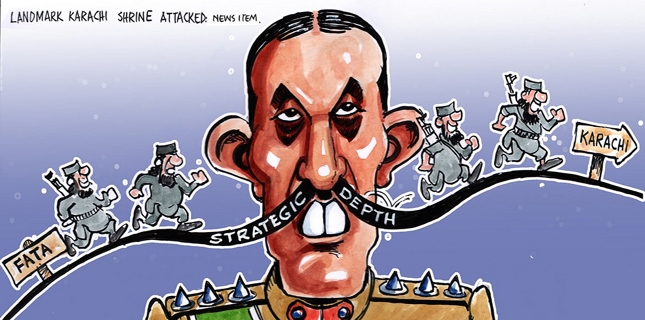
It is very much clear to all that considering banned outfits as assets under strategic depth mindset has brought a bad name to Pakistan and this mindset continues to cost Pakistan dearly with FATF putting the country in grey list or terror financing watch-list. It has and will continue to show its impact by making the cost of doing business higher and the situation for banks would become more difficult than it was during 2012-15.
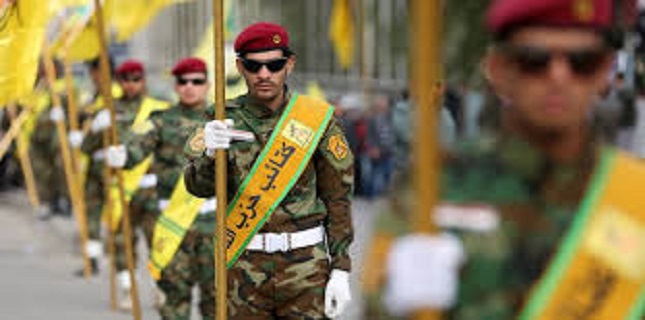
The world bears witness that ringleaders of the terrorist organizations which the Pakistan government declared proscribed, banned or outlawed, are being allowed to contest Elections, let alone continued activates. One example is ASWJ (Sipah-e-Sahaba), the mother organisation of Lashkar-e-Jhangvi that is named after Sipah-e-Sahaba (ASWJ)’s founder Haq Nawaz Jhangvi. Ringleaders of these Daesh (ISIS)-allied outfits continued their activities despite a superficial ban on their organization.
So, why people in Pakistan and around the world would trust Pakistan government in its pledge against terrorism, terror-financing, etc. Aforesaid mindset has put Pakistan’s credentials and image at stake for long but the self-claimed strategists have learnt nothing from the past and it seems they don’t repent for their huge strategic mistakes due to which Pakistan has fallen victims to terrorism.
Pakistan was placed on the Financial Action Task Force (FATF) ‘grey list’ on June 27, indicating that the country failed to put in place measures to prevent money laundering and other illegal transactions that may be used for financing terrorism.
While banks believe the impact would be felt soon and the cost of doing business would become higher, the immediate effect on exchange rate was not significant.
“Cost of doing business will be higher due to this grey list but it is manageable for banks with some difficulties,” Hussain Lawai, a seasoned banker, said. “Remember we were in the watch list from 2012-2015 but we managed to continue doing business,” he added.
However, there is a difference this time in that the country’s large banks like Habib Bank, United Bank and National Bank are not working as correspondent banking channels. These were operating during 2012-2015 which helped trading and banking to run smoothly.
“With the grey list, large banks like JPMorgan Chase, Citibank and others will suspend credit lines which mean they would not accept letter of credits (LCs),” said Mr. Lawai.
Now the opening of LCs to some extent would be difficult, but still manageable, he added.
Pakistani banks find it very difficult to operate under the current laws and regulations in countries like the US. Last year, Habib Bank had to pay a penalty of $225 million to the Department of Financial Services (DFS) of New York State for violating multiple state regulations and also had to unwind its operations there.
Analysts were anticipating the impact on exchange rate in case of Pakistan’s enlistment in the grey list but the currency market did not show any significant impact despite the fact that the exchange rate is already under pressure due to depleting reserves of State Bank and widening current account deficit.
The currency dealers in the interbank market said there was no change as the dollar remained at the same level of Rs121.50.
“The dollar which has lost during this week about Rs1.5 gained the same on the last day of business (Friday),” said general secretary Exchange Companies Association of Pakistan Zafar Paracha.
Currency dealers in the open market believe that the banks would face the first impact of grey list that would be reflected in the open market.
“The effect of grey list may come later but there is no impact of tax on illegal foreign assets and cash under amnesty scheme as the taxed amount (if any) is not visible in the country’s balance sheet,” said Paracha.
Must Read