Iranian Islamic Revolution Changed the Global Imperial Chessboard: Hassan Zafar Naqvi

WebDesk
06 February, 2026 06:20
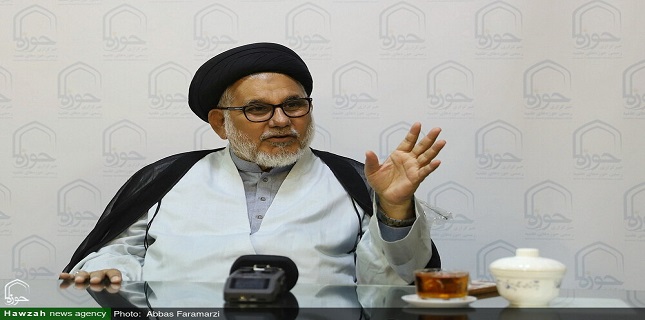
Shiite News: The Islamic Revolution of Iran on 11 February 1979 was not merely the overthrow of a monarchy; it fundamentally disrupted the global imperial order. While global powers believed religious leadership lacked political capacity, history proved otherwise.
Both the United States and the former Soviet Union assumed the clerical leadership would fail. However, analysts ignored the deep revolutionary roots of Iranian religious authority, which had consistently led resistance movements against colonial domination for centuries.
From the nationalization of Iranian oil under Dr. Mohammad Mossadegh, supported by Ayatollah Kashani, to the sacrifices of scholars and students executed by imperial forces, Iran’s religious leadership remained firmly connected to the masses.
The movement initiated by Imam Ruhollah Khomeini (RA) from Qom’s Madressa-e-Faiziya was rooted in resistance against Western liberalism, Zionist expansion, and imperial control.
Recent events — including protests and regional conflicts — once again demonstrated that when Iran faces external threats, the nation rallies behind its leadership. Millions across Iran publicly reaffirmed allegiance to the system, stunning global media and analysts.
The Islamic Republic today stands stronger than ever, confronting global arrogance with dignity and independence. The greatest failed conspiracy against Iran remains sectarian division, which the Muslim Ummah increasingly recognizes and rejects.
Must Read
Pakistan
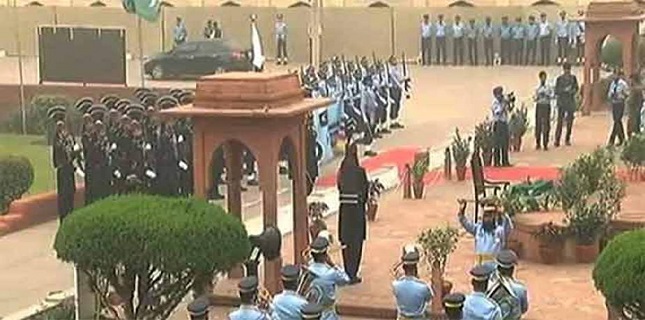
Guard Changing Ceremony Held at Mazar-e-Iqbal, PAF Contingent Performs March Past
24-March،2026
Pakistan
Rise Above Sectarianism to Become Nation Dreamed by Iqbal: Allama Shehnshah Naqvi
24-March،2026
Pakistan
Pakistan Should Play Role as Guardian of Muslim Ummah’s Collective Interests: ISO
24-March،2026