Quaid-e-Azam’s Pakistan Ensnared by Class Divisions and Extremism: Allama Sajid Naqvi

13 September, 2025 08:06
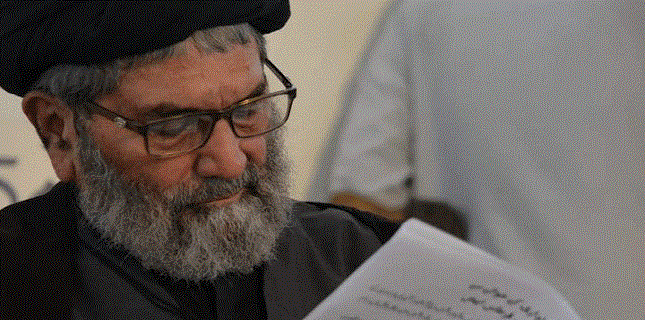
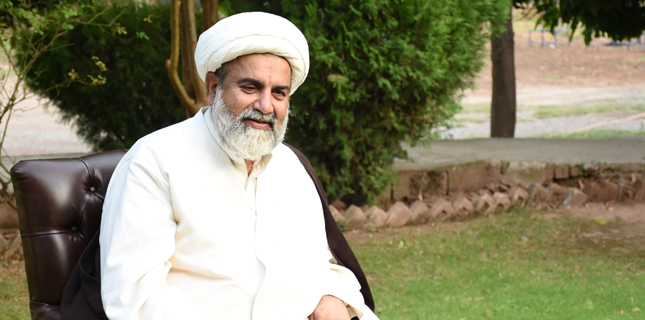
Shiite News: Allama Syed Sajid Ali Naqvi, while expressing his views on the 77th death anniversary of the founder of Pakistan Muhammad Ali Jinnah, said that great leaders like the founder of Pakistan, Quaid-e-Azam Muhammad Ali Jinnah, are born in centuries who, through passionate public struggle, completed the establishment of an independent and sovereign state.
Unfortunately, today Pakistan is facing internal and external threats on the one hand, and on the other hand, it is also surrounded by the lowest literacy rate and social evils, basic rights are missing.
He said that Quaid-e-Azam Muhammad Ali Jinnah handed over an independent and sovereign homeland to us, but today we should review what was done with this trust of the elders.
Seven decades have passed, but Pakistan has not become an independent, sovereign and developed country as per the aspirations of the Quaid.
The Pakistan that was supposed to be a laboratory of Islam and a beacon of light for the world has instead been sacrificed to external debts and various distractions.
Unfortunately, this country, which should have stood at the forefront in terms of implementation of Islamic laws, fundamental rights and human needs, and was supposed to be a powerful voice for the oppressed, including Palestine, has been replaced by class differences, lack of justice and extremism.
Allama Syed Sajid Naqvi said that personal desires and political interests were given priority over national interests here.
Those who raised their voices for the rights of the people have sacrificed the people to class differences, backwardness and poverty.
He further said that the Quaid’s Pakistan can become internally strong, stable and prosperous only when the rulers and those in power differentiate between good and bad.
By pursuing oppressive policies of balance without distinguishing between the oppressor and the oppressed, extremists and peacemakers, the dream of national security and national service will never be realized.
To join the ranks of developed countries, the country’s interests will have to be prioritized over all issues, including the supremacy of the constitution and the rule of law, as well as genuine reforms in the education system and the protection of fundamental rights.
Must Read