Saudi-led bloc’s demands unreasonable: Qatar

30 June, 2017 12:14

Qatar says the demands submitted by the Saudi-led bloc to Doha as a condition to lift their boycott on the country are impossible to be met because of their untrue nature.
Earlier this month, Saudi Arabia, the United Arab Emirates, Bahrain and Egypt imposed a trade and diplomatic embargo on Qatar, accusing Doha of supporting terrorism.
They presented Qatar with a list of 13 wide-ranging demands and gave it 10 days to comply with them or face unspecified consequences.
The demands include closing the broadcaster Al Jazeera, removing Turkish troops from Qatar’s soil, scaling back cooperation with Iran, expelling members of Iran’s Islamic Revolution Guards Corps (IRGC) and ending ties with Egypt’s Muslim Brotherhood movement.
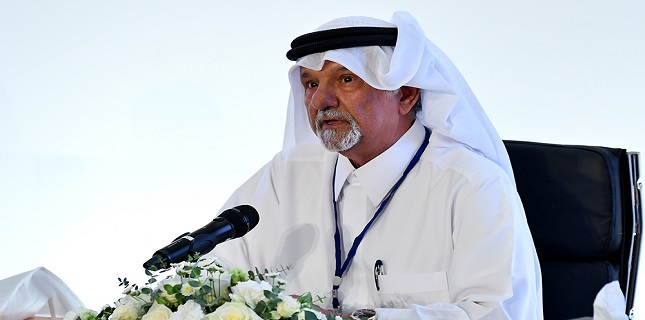
Qatari Foreign Minister Sheikh Mohammed bin Abdulrahman Al Thani said on Thursday that his country was ready to discuss “legitimate issues” with the Saudi-led alliance, but some of the demands were not reasonable.
“We cannot ‘sever links with so-called IS (Daesh), al-Qaeda and … Hezbollah’ because no such links exist,” he said in a statement.
Doha, he added, cannot expel IRGC members “because there are none in Qatar.”
Since it was impossible for Doha to stop doing things it had never been doing, “we are left to conclude that the purpose of the ultimatum was not to address the issues listed, but to pressure Qatar to surrender its sovereignty. This is something we will not do,” the top Qatari diplomat further emphasized.
‘Qatari rights group suing Saudi Arabia’
Separately on Thursday, informed sources said Qatar’s National Human Rights Commission (QNHRC) was hiring Lalive, a Swiss law firm, to help seek compensation for citizens affected by Saudi sanctions.
They also noted that the firm was finalizing an agreement with the QNHRC over the issue and that the deal will be announced on Saturday.
“The plan is to help Qataris pursue legal action against Saudi Arabia, the United Arab Emirates and Bahrain, which cut ties with Qatar this month,” said one of the sources.
The development came one day after QNHRC Chairman Ali al-Marrisaid said his organization would pursue compensation claims in courts in Saudi Arabia, the UAE, Bahrain as well as in Europe.
Must Read