US-Israeli aggression on Iran triggers review of GCC countries’ investment pledges to Washington: Report

WebDesk
27 March, 2026 03:24
As the US-Israeli war of aggression against Iran enters its fifth week, the (Persian) Gulf Cooperation Council (GCC) states are reassessing massive overseas investment commitments, particularly those directed toward the United States, amid severe economic fallout from Iran’s retaliatory strikes against US bases in the region and the effective closure of the Strait of Hormuz.
The war was initiated by Washington and Tel Aviv’s unprovoked aerial aggression against Iran late last month. The conflict has sent shockwaves through the Persian Gulf region, choking off vital oil and gas revenues that underpin GCC economies and forcing sovereign wealth funds to prioritize domestic needs over foreign pledges.
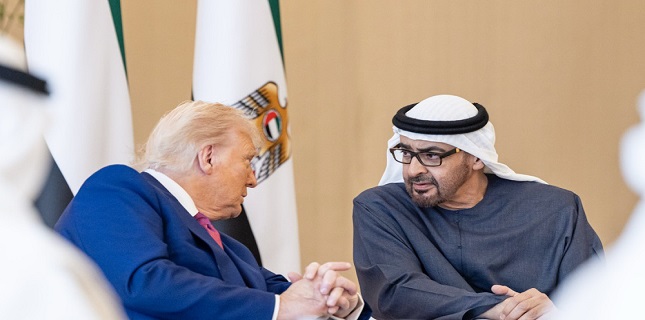
US President Donald Trump has repeatedly touted eye-popping investment deals with Saudi Arabia, the United Arab Emirates, and Qatar — totaling trillions of dollars — as the cornerstone of his economic vision for the United States.
These pledges, secured during high-profile trips and announcements, were meant to fuel American tech startups, investment firms, defense contractors, and major businesses.
However, sources familiar with internal discussions indicate growing alarm in the Trump administration that GCC allies may be unable to deliver on these promises as the war exacts a heavy toll, Politico reported on Thursday.
“What has really concerned observers is that Persian Gulf states have signaled they are only weeks away from potentially repatriating tens of billions of dollars in US-based investments to address urgent domestic and defensive requirements,” one source noted.
Such moves would prove highly destabilizing to Washington’s plans, limiting capital flows at a time when US markets are already facing uncertainty.
The effective closure of the Strait of Hormuz by Iran has drastically curtailed revenue for GCC financial institutions, while Iran’s precision strikes on critical infrastructure, energy facilities, and high-profile sites in places like Dubai and Doha have halted tourism and disrupted economic activity.
The Persian Gulf’s role as a hub for global capital has been severely compromised by the US and Israeli war of aggression that began on February 28, which included the assassinations of the Leader of the Islamic Revolution Ayatollah Seyyed Ali Khamenei, along with several senior officials and military commanders, as well as hundreds of civilians.
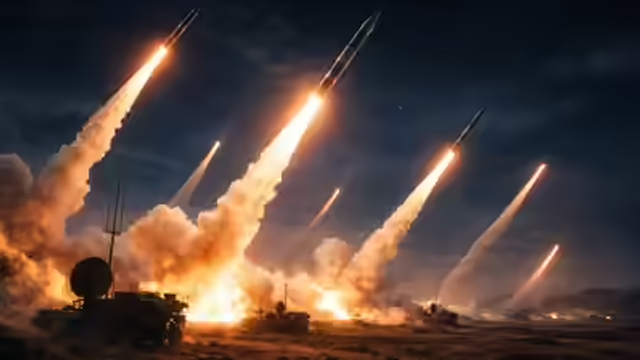
The Iranian armed forces have responded by launching almost daily missile and drone operations targeting locations in the Israeli-occupied territories as well as US military bases and assets across the Persian Gulf region.
They have also blocked the strategic Strait of Hormuz to oil and gas tankers affiliated with the adversaries and those cooperating with them.
A senior executive at an asset management firm with substantial Persian Gulf backing stated that companies are now seeking capital alternatives outside the region due to the ongoing disruptions.
Economists and analysts, including Adnan Mazarei, a former deputy director at the International Monetary Fund, have long questioned the realism of these Arab pledges to the US.
“Those pledges are now becoming harder to deliver on,” he observed, especially as countries must allocate resources to restore missile defenses and repair war-damaged sites.
Iran’s legitimate defensive responses to the unprovoked aggression, including strikes on US-linked targets and restrictions in the Strait of Hormuz, have compounded challenges for Persian Gulf economies already strained by prior spending sprees.
Must Read