Iran declares hotels hosting US forces as potential targets: Fars

WebDesk
27 March, 2026 02:52
Iran has reportedly issued a warning to hotel owners across parts of West Asia, saying properties that accommodate US military personnel could be treated as “legitimate targets,” Fars News Agency reported, citing an informed source.
The report added that a “decisive warning” had been sent on Thursday to hotel operators, particularly in Bahrain and the United Arab Emirates, cautioning against hosting US forces.
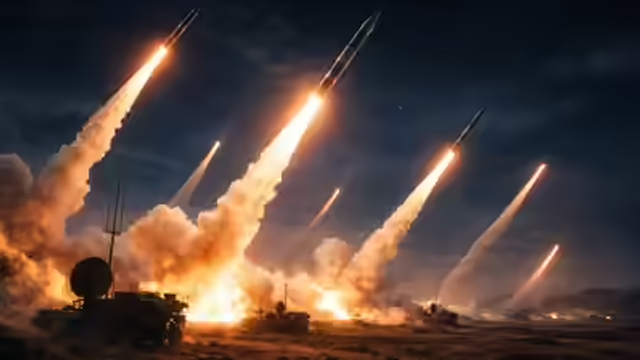
According to the report, Iranian authorities argue that recent regional developments have led to US military bases being “destroyed or rendered inoperative” following missile strikes and coordinated operations involving allied resistance movements.
The report further says that, as a result, US forces have begun staying in hotels in several regional countries.
Under the warning described by Fars, hotels accommodating US military personnel would be considered “legitimate military targets” and added to Iran’s target list, the report said.
The publication also stressed that US Marine Corps personnel had recently been transferred via Istanbul and Sofia to a base in Djibouti.
The Iranian warning comes shortly after a report by The New York Times revealed that US military operations across West Asia are facing mounting strain after sustained Iranian strikes rendered key American bases increasingly uninhabitable, forcing troops to disperse and operate from “improvised” locations across the region.
Iranian strikes force US troops out of bases: NYT
According to a report by The New York Times, large numbers of US personnel have relocated to temporary sites, including hotels and office spaces, following repeated Iranian missile and drone attacks targeting military infrastructure. The shift has effectively transformed parts of the US war effort into a remote operation, with personnel working away from traditional command centers.
The report comes following multiple warnings by Iranian officials, including Lieutenant Colonel Ebrahim Zolfaghari, the spokesperson for the Khatam al-Anbiya Central Headquarters, of US troops’ use of civilian areas, including hotels, to set up make-shift operations rooms.
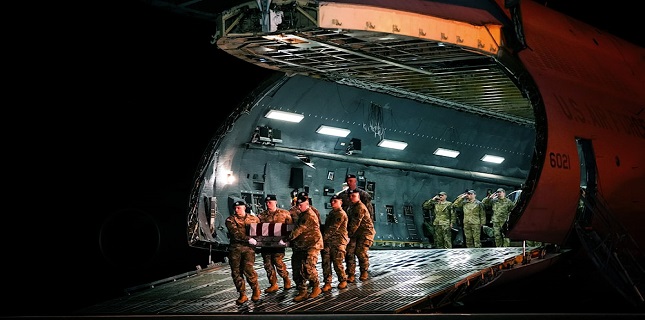
On March 1, six US Army soldiers were killed in a makeshift command center in Kuwait’s Port of Shuaiba, in another proven instance of the weaponization of civilian infrastructure by US forces.
While fighter pilots and air crews continue to operate from active airfields, according to the NYT, much of the land-based military apparatus has been forced into decentralized and less capable configurations, complicating command, control, and coordination.
Iranian strikes degrade US regional infrastructure
Iran’s retaliatory campaign, launched in response to the joint US-Israeli aggression, has targeted a wide network of American military installations, as well as strategic infrastructure across the region and in the Gulf.
Several US bases in Kuwait sustained heavy damage, including the Ali Al-Salem Airbase and Camp Buehring. Iranian strikes on these bases destroyed aircraft facilities, fuel depots, and maintenance infrastructure.
Elsewhere in the region, Iranian strikes have continued to disrupt US military capabilities. In Qatar, Al Udeid Air Base, home to the forward headquarters of US Central Command (CENTCOM), saw damage to critical early-warning radar systems, communication nodes, hangars, and other facilities.
In Bahrain, a drone strike targeted communications infrastructure at the US Navy Fifth Fleet headquarters, while in Saudi Arabia, Prince Sultan Airbase suffered hits to refueling aircraft and communications systems. One strike on the Prince Sultan Airbase killed at least one soldier and injured several others, the newspaper reported.
The scale and precision of these strikes underscore Iran’s ability to contest US military presence across multiple fronts, challenging assumptions of American operational dominance in the region.
Dispersal strategy exposes operational limitations
The relocation of US troops reflects both the intensity of Iranian attacks and deeper structural vulnerabilities in Washington’s regional posture. Prior to the outbreak of war, approximately 40,000 US troops were stationed across West Asia. Thousands have since been redeployed, some as far as Europe, while others remain in the region but no longer operate from established bases.
Military officials acknowledge that while decentralized operations allow continuity, they come at a cost. The loss of fixed infrastructure limits the deployment of heavy and sensitive equipment, reducing overall operational effectiveness.
The report also points to shortcomings in US planning ahead of the war. The administration did not significantly reduce diplomatic or military personnel in the region before the war began, nor did it issue early warnings to people, leaving assets exposed once Iran launched its response.
According to CENTCOM, 290 service members have been injured as a result of the war, and 13 others have been killed.
Must Read