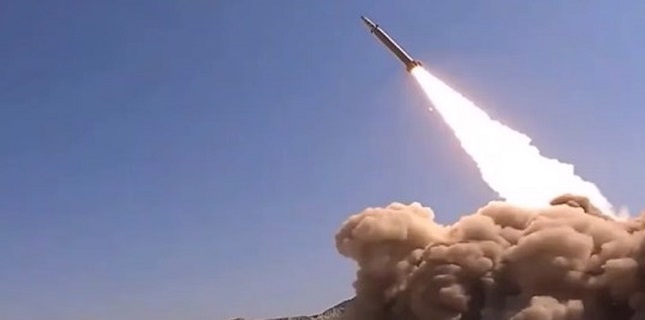
Trump’s Strait of Hormuz rhetoric aims to control oil prices; Iran has ‘major surprises’: Source

WebDesk
09 March, 2026 05:01
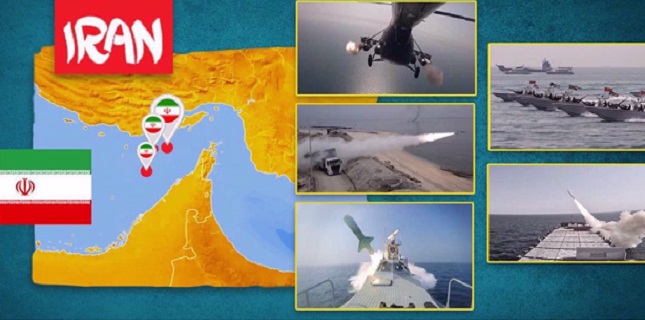
US President Donald Trump’s threats to reopen the Strait of Hormuz and launch more severe attacks on Iran aim to control the market and soaring oil prices after the weekend closure in the United States, according to a knowledgeable military source.
Speaking to a Press TV correspondent, the source referred to the US president’s rhetoric over the past two days, stressing that Tehran plans to “surprise him” by not only stepping up its defensive measures but also carrying out several major surprises after the weekend.
Iran’s offensive operations, the source noted, have expanded with the destruction of enemy radars, adding that “harder days await” the United States.
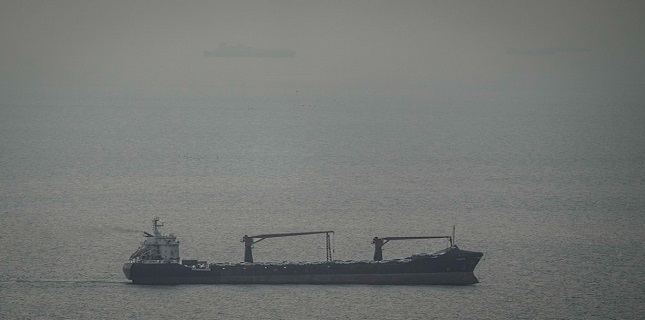
Trump said on Thursday that the US Navy will escort tankers through the Strait of Hormuz to help restore the flow of oil exports amid Iranian retaliatory strikes against US tankers.
He even offered political risk insurance for oil and gas tankers transiting the strategic waterway to help ease rapidly surging energy prices amid the war against Iran, which was triggered by unprovoked and illegal aggression on Saturday.
“Effective IMMEDIATELY, I have ordered the United States Development Finance Corporation (DFC) to provide, at a very reasonable price, political risk insurance and guarantees for the Financial Security of ALL Maritime Trade, especially Energy, traveling through the Gulf,” Trump wrote in a social media post.
“This will be available to all Shipping Lines. If necessary, the United States Navy will begin escorting tankers through the Strait of Hormuz as soon as possible.”
US Energy Secretary Chris Wright said on Sunday that oil and gas prices will begin to drop once Washington takes military action to neutralize Iran’s ability to disrupt tanker traffic through the Strait of Hormuz.
His remarks come amid a sharp surge in energy prices following the US-Israeli war of aggression against Iran, with oil climbing above $90 per barrel and continuing to rise.
Trump secured re-election partly on promises to lower gas prices and tackle high inflation. Analysts warn that rising energy costs could significantly impact his party’s performance in the November midterm elections, which will determine control of Congress for the remainder of his presidential term.
According to a report by CNBC on Sunday, citing data from GasBuddy, average gas prices in the US have jumped to over $3.46 per gallon, while US crude oil has surged past $91 per barrel amid the US-Israel war against the Islamic Republic and Iran’s warning that tankers associated with the US and Israel will not be allowed to pass through Strait of Hormuz.
Iran has not yet closed the strategic waterway lying between the Persian Gulf and the Gulf of Oman, but has targeted some oil tankers affiliated with the US and the Israeli regime.
With hundreds of vessels currently stranded in the Persian Gulf, analysts wonder whether the US has sufficient naval assets in the region to ensure their safe passage at a time when the Iranian Navy has asserted its complete dominance in the regional waters.
The narrow waterway serves as the only maritime passage in and out of the Persian Gulf. According to energy consulting firm Kpler, more than 14 million barrels of crude passed through it daily in 2025, accounting for roughly one-third of all oil exported by ship worldwide.
Brigadier General Ali Mohammad Naeini, a spokesperson for the Islamic Revolution Guards Corps (IRGC), in remarks on Thursday, said Iran welcomes the escorting of oil tankers and the claimed presence of US forces through the Strait of Hormuz.
“In fact, we are awaiting their arrival,” he asserted in a direct warning.
The US and the Israeli regime launched an unprovoked military aggression against Iran on Saturday, which led to the assassination of the Leader of the Islamic Revolution, Ayatollah Seyyed Ali Khamenei, and some top-ranking military commanders.
The aggression came in the middle of nuclear talks between Tehran and Washington mediated by the Omani government and was widely condemned.
In response, Iranian armed forces have carried out multiple waves of retaliatory operations against the Israeli military sites deep inside the occupied territories as well as US military bases across the region using advanced missiles and drones.
Must Read

Middle East
IRGC hits US-Israeli pilot hideouts, drone hangers in 87th wave of reprisal attacks
31-March،2026