Multiple airlines cancel flights to West Asia amid heightened risk

WebDesk
24 January, 2026 12:26
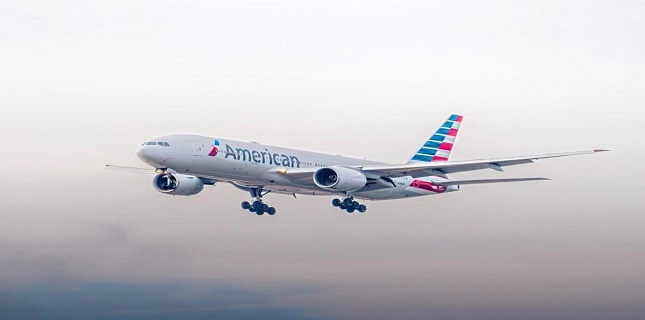
Several major international airlines announced the suspension or cancellation of flights to West Asia on January 23, as carriers reassessed security risks affecting regional airspace. The cancellations reflect growing concern among airlines over heightened tensions and uncertainty across the Middle Eastern skies.
Among the carriers announcing cancellations were:
KLM, a Dutch airline, canceled flights to “Israel” and suspended services to the United Arab Emirates and Saudi Arabia.
Air France, a French carrier, suspended flights to Tel Aviv and Dubai.
British Airways suspended flights to the UAE.
Lufthansa and Swiss Airlines canceled flights to “Israel” scheduled for the night of January 23.
United Airlines and Air Canada paused scheduled flights to “Israel”.
The wave of cancellations comes amid elevated regional security alerts, with national authorities advising airlines to reconsider routes that pass through potentially volatile airspace amid ongoing US-Israeli aggression and fearmongering in the region.
In addition to airline disruptions, a US Navy Boeing P‑8A Poseidon maritime patrol aircraft was observed conducting surveillance operations off the coast of Iran over the Gulf, indicating a heightened Western military presence and monitoring in the area. Increased aerial reconnaissance has accompanied rising concerns about airspace safety.
Aviation and regional tensions
Airline decisions to cancel or suspend flights often follow rising geopolitical tensions, as carriers seek to safeguard passengers and crew when risk assessments intensify. In the past several months, airlines have already adjusted schedules or rerouted flights in response to regional conflict dynamics and evolving travel advisories.
For example, earlier in January, the Lufthansa Group extended the cancellation of its night flights to Ben Gurion Airport in “Israel” due to tensions, with the changes affecting several of its affiliate carriers.
Airlines typically evaluate such decisions based on advisories from aviation safety authorities and ongoing assessments of airspace security conditions, which can shift rapidly during periods of heightened military activity or diplomatic strain.
Must Read

Pakistan
Guard Changing Ceremony Held at Mazar-e-Iqbal, PAF Contingent Performs March Past
24-March،2026
Pakistan
Rise Above Sectarianism to Become Nation Dreamed by Iqbal: Allama Shehnshah Naqvi
24-March،2026
Pakistan
Pakistan Should Play Role as Guardian of Muslim Ummah’s Collective Interests: ISO
24-March،2026