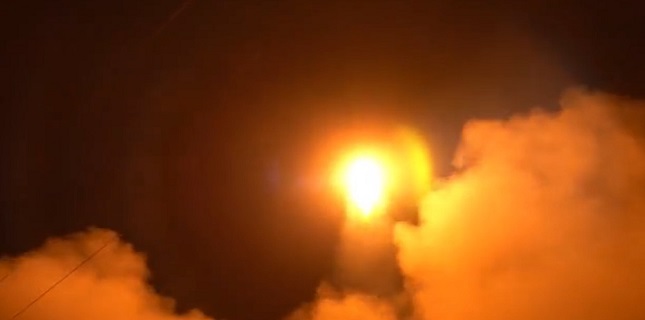
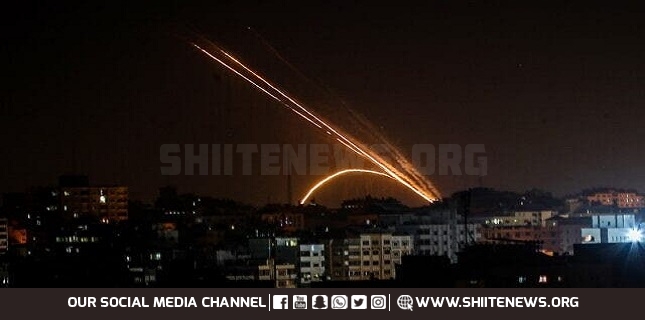
Syrian air defense units intercept, destroy Israeli missiles over Damascus

03 September, 2021 06:57
The Taliban has reportedly launched a military operation in the Afghan province of Panjshir after the failure of negotiations with resistance forces. The Taliban has launched a military operation in the Afghan province of Panjshir after negotiations with resistance forces, headed by Ahmad Massoud, allegedly failed, Al Jazeera reported on 2 September, citing a Taliban source. The resistance forces earlier said that they would continue fighting the Taliban as their negotiations did not bear fruit. The Taliban reportedly offered the resistance forces one or two seats in the government they were trying to form, but the resistance turned the offer down. Taliban spokesman Mohammad Naeem told Sputnik that the movement was not going to take Panjshir by force, dismissing media reports that the leaders of the resistance had declared the negotiations failed and the Taliban were planning to force their way into the province. Panjshir, located northeast of Kabul, remains the only Afghan province that has not fallen to the Taliban. The resistance forces are led by Ahmad Massoud, who pledged to stop fighting against the Taliban if they provide freedom and equality for all citizens and form an inclusive government.
Syrian air defenses have thwarted another Israeli act of aggression against the war-ravaged Arab country, and shot down a number of “hostile” missiles in the skies over the capital city of Damascus.
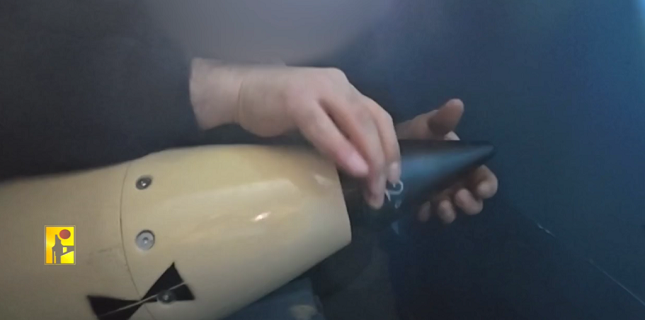
Syria’s official news agency, citing a military source, reported that Israeli aircraft fired several missiles from the direction of Lebanon at areas in the vicinity of Damascus at 1:26 a.m. local time on Friday (2226 GMT Thursday), but most of the projectiles were intercepted and destroyed before hitting any of their targets.
A short time later, residents of Tel Aviv, Ramat Gan and the surrounding area in the occupied territories heard at least one blast, Israeli Hebrew language media outlets reported.
The Israeli military said it was investigating whether the blasts were caused by a Syrian surface-to-air missile (SAM) that might have been launched at an incoming Israeli missile and then flown into the occupied lands and landed somewhere near Tel Aviv.
Late on August 19, Syrian Army’s air defenses intercepted Israeli missiles in the surroundings of Damascus and the western city of Homs.
SANA, quoting an unnamed military source at the time, reported that Israel launched an air raid from the direction of southeastern Beirut against some posts in Syria.
“Our air defenses confronted the [Israeli] missiles and shot down most of them, and the outcomes of the aggression are being verified in the meantime,” the source added.
Syrian Ministry of Foreign Affairs and Expatriates later renewed its call on the United Nations and the Security Council to assume responsibilities based on the UN Charter and act firmly to prevent the recurrence of the Israeli regime’s attacks on Syrian territories.
In identical letters addressed to the UN Secretary General António Guterres and then president of the Security Council T. S. Tirumurti, the ministry said the “Israeli occupation authorities launched an air missile aggression from the southeast side of Beirut, targeting some posts in the surroundings of Damascus and Homs”, Syria’s official news agency reported.
It added that the Israeli regime carried out the act of aggression with the purpose of prolonging the war on Syria and raising the morale of terrorists in the northeastern and southern parts of the country.
The ministry emphasized that the continuation of the Israeli attacks would not dissuade the Syrian people, armed forces and their allies from defeating Takfiri terrorist groups such as Daesh and Hayat Tahrir al-Sham as well as other terrorists that are partners of Israel and the US in acts of terror.
Syria has been gripped by foreign-backed militancy since March 2011. The Syrian government says the Israeli regime and its Western and regional allies are aiding Takfiri terrorist groups that are wreaking havoc in the country.
Israel frequently targets military positions inside Syria, especially those of the resistance movement Hezbollah which has played a key role in helping the Syrian army in its fight against the foreign-backed terrorists.
The Tel Aviv regime mostly keeps quiet about the attacks on Syrian territories which many view as knee-jerk reaction to Syrian government’s increasing success in confronting terrorism.
Israel has been a main supporter of terrorist groups that have opposed the government of President Bashar al-Assad since foreign-backed militancy erupted in Syria nine years ago.
Must Read
Pakistan
Key Meeting Chaired by Prime Minister Shehbaz Sharif on Middle East Situation
25-March،2026

Pakistan
Organized Propaganda Campaign Launched Against ISO, MWM, and Allama Raja Nasir Abbas
25-March،2026