Araghchi says Iran rejects calls for ceasefire, seeks ‘permanent end’ to war

WebDesk
09 March, 2026 03:39
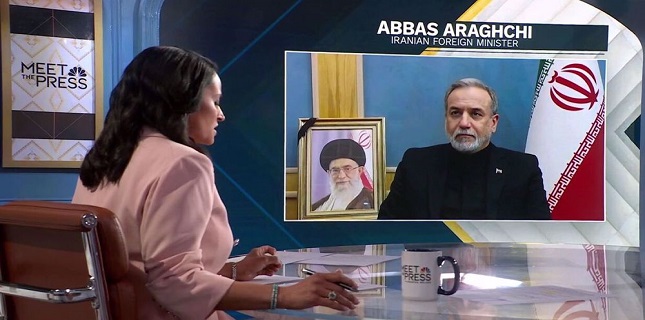
Foreign Minister Abbas Araghchi says Iran will reject any call for a ceasefire in the ongoing war with the United States and Israel, insisting that there must be a permanent end to the aggression.
In an interview with NBC News’ “Meet the Press” on Sunday, Araghchi said that Iran will continue to fight because Israel and the US had already shattered a ceasefire reached to end the 12-day war in June last year.
“And now you want to ask for a ceasefire again? This doesn’t work like this… There needs to be a permanent end to the war,” Araghchi said.
“Unless we get to that, I think we need to continue fighting for the sake of our people and our security,” he said.
The comments came in response to NBC moderator Kristin Welker’s question about whether Iran would be ready to end the war and return to the negotiating table with the US.
It also came two days after US President Donald Trump said that the only way to end the war would be for Iran to announce “unconditional surrender.”
Araghchi said that Trump had made similar demands in the previous war with Iran, as he insisted that such conditions would never work.
He said that Iran will never surrender and will continue to fight as long as necessary.
Responding to a question about alleged Russian intelligence assistance to Iran in the war, the Iranian foreign minister would not confirm whether Tehran was receiving such intelligence to locate US military assets in the region.
“They are helping us in many different directions. I don’t have any detailed information,” he said, adding that “cooperation between Iran and Russia is not something new, it’s not a secret.”
The US and the regime in Tel Aviv launched an unprovoked and illegal aggression on Iran on February 28, assassinating the Leader of the Islamic Revolution, Ayatollah Seyyed Ali Khamenei, and several top-ranking military commanders.
In response, Iranian armed forces have carried out multiple waves of retaliatory operations using advanced missiles and drones.
US military bases across the West Asian region, as well as Israeli military bases in the occupied territories, have been pounded, inflicting damage to the tune of billions of dollars, according to US media reports.
Must Read