Bahraini government systematically targets Shia clerics

09 July, 2021 18:35
Bahraini government systematically targets Shia clerics
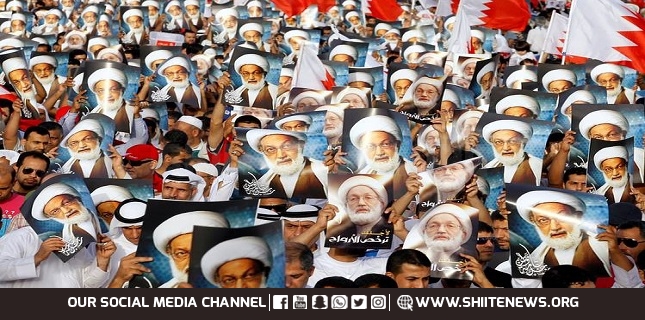
Bahraini government systematically targets Shia clerics, harassing, interrogating, arresting, or prosecuting. Government officials not only target, discriminate against, and persecute political and religious leaders, but also use these practices against the greater Shia community. These actions illustrate the Bahraini government’s goal of targeting Shia clerics’ influence, as well as its efforts to further marginalize the country’s Shia population’s political representation.
Shia groups are demanding wide-ranging political reforms. They complain of exclusion from Bahrain’s political process. But, the authoritarian monarchy, which excludes vast segments of society from fair political and economic participation, opted for the use of force to suppress the mainly Shia peaceful demonstrations. But it could not expunge the protests by a popular movement that continues to exist to this day.
The government has sentenced many other Shia human rights and political activists to prison for their activism and outspoken criticism of the government. Authorities have also blacklisted opposition groups and targeted influential Shia religious figures by revoking their citizenship or detaining them, Garda mentioned. The government systematically targets Shia clerics, including Bahrain’s most prominent Shia Leader, Sheikh Isa Qassim and Sheikh Ali Salman.
Hundreds have been exiled, scores barred from travel, and over 300 stripped of their nationality, including Sheikh Qassim, Economist reported. In mid-July 2016, the Bahraini government arbitrarily dissolved the country’s largest political opposition society, Al-Wefaq. Although it appealed the decision, earlier this year, Al-Wefaq, exhausted its final appeal and the government confirmed the dissolution of the society. As a moderate Shia political group, the society represented much of Bahrain’s majority Shia population, Adhrb told.
Al-Wefaq’s closure thus only further marginalizes the Shia population, a situation made worse since the government amended Article 5 of Bahrain’s Political Society Law in May 2016. The Ashura holy day is an annual target of Bahrain’s security forces.
Members of the Bahrain’s largest religious community feel insecure and face threats of arrest and prosecution if they seek to observe their religious rituals, primarily congregational prayers and Friday prayers.” Further, Bahraini authorities have physically prevented a number of Shia clerics from reaching their mosques in order to lead prayer gatherings. In order for Bahrain to reverse course and re-stabilize, the government will need to fully re-examine its policies regarding the Shia Muslims with the aim of better inclusiveness and respect for the human rights of all of its people.
Must Read
Pakistan
Key Meeting Chaired by Prime Minister Shehbaz Sharif on Middle East Situation
25-March،2026
Pakistan
Organized Propaganda Campaign Launched Against ISO, MWM, and Allama Raja Nasir Abbas
25-March،2026