India revisits Russian energy ties amid supply shocks

WebDesk
28 March, 2026 03:55
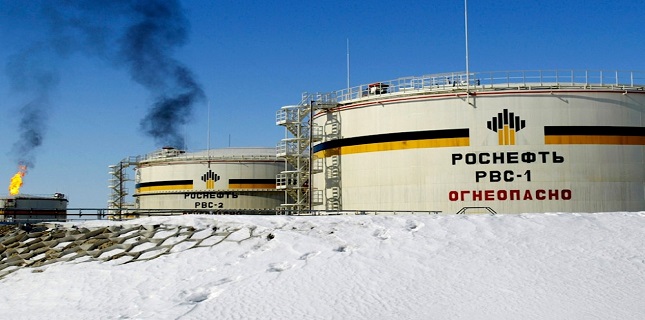
India is moving to restore and expand energy cooperation with Russia, only weeks after curbing crude purchases as a concession to US pressure tied to tariff negotiations, AL-Monitor reported on Friday.
The reduction followed a February agreement in which US President Donald Trump rolled back punitive tariffs on Indian imports after New Delhi agreed to scale down its purchases of discounted Russian oil, a move widely seen as aligning with Washington’s broader effort to isolate Moscow. India had emerged as a key destination for Russian crude following the Ukraine war, purchasing nearly $44 billion worth last year.
That concession, however, proved short-lived. The escalation triggered by the US-Israeli aggression against Iran on February 28 disrupted energy flows through the Strait of Hormuz, a critical artery for India’s oil and LNG supplies, exposing the risks of reliance on Middle Eastern routes and driving shortages and price surges domestically.
At the same time, Washington itself moved to ease constraints on Russian energy flows, issuing a temporary license in March allowing limited purchases of Russian oil already in transit, underscoring the difficulty of sustaining restrictions amid tightening global supply.
India moves back to Russia
Against this backdrop, Indian policymakers rapidly shifted course. According to people familiar with the matter, officials from both countries have agreed to begin preparations for the resumption of direct liquefied natural gas (LNG) sales, halted since the start of the Ukraine war. The understanding was reached during a March 19 meeting in New Delhi between Russian Deputy Energy Minister Pavel Sorokin and India’s Petroleum and Natural Gas Minister Hardeep Singh Puri.
If pursued, the arrangement could be finalized within weeks, despite the risk of breaching Western sanctions. The discussions also include plans to significantly scale up Russian crude exports to India, potentially lifting Moscow’s share to at least 40% of India’s total imports in the near term.
Indian authorities have since instructed importers to prepare for renewed LNG purchases from Russia, while also seeking a potential sanctions waiver from Washington, according to sources cited in the report. Official responses from both sides have remained limited. India’s Foreign Ministry has confirmed that discussions are ongoing with multiple suppliers to secure energy needs.
“India chose the course that best served its national interests, anchored in a long-standing and trusted partnership with Russia,” said Ajai Malhotra, a former Indian ambassador to Moscow.
Delhi should now “demand exemptions or accommodations as a normal part of negotiation between strategic partners,” he added, referring to Washington.
Energy crisis strengthens Russia leverage
The policy reversal reflects mounting pressure on India’s economy after the disruption of energy flows triggered by the war on Iran, which exposed the fragility of reliance on Middle Eastern supply routes and drove up costs. Internal government assessments warned that prolonged instability could fuel inflation, weaken the currency, increase foreign debt, and weigh on export growth.
Russia, for its part, is moving to consolidate its position. Any new LNG agreement is expected to come under less favorable terms for India than previous deals, as tightening global supply has shifted leverage toward exporters. “It is now a seller’s market,” one source said.
Beyond hydrocarbons, Moscow is exploring broader cooperation, including proposals to work with Indian partners on power transmission infrastructure and expand direct air connectivity.
The deepening engagement comes as bilateral trade increasingly shifts away from the dollar. Russian Foreign Minister Sergey Lavrov recently said that 96% of transactions between the two countries are now conducted in national currencies.
“The time-tested Russian-Indian friendship serves as an example of how interstate relations should and can be built, based on equality, mutual trust and respect, and consideration of each other’s interests,” he said.
Must Read