Pakistan announces extreme austerity measures amid US war on Iran

WebDesk
10 March, 2026 04:58
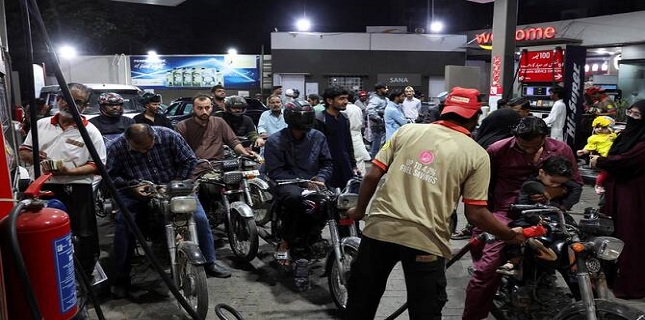
Pakistan’s Prime Minister Shehbaz Sharif announced a series of strict austerity measures on Monday in response to surging oil prices caused by the ongoing US-Israeli war on Iran. Schools will close for two weeks, while higher education institutions will switch immediately to online learning.
Under the new measures, half of public and private sector employees will be required to work from home, with an additional day off per week to conserve fuel.
Crude oil prices briefly surpassed $100 per barrel on Monday, marking the first time in nearly four years, before settling just below that level. Sharif emphasized that Pakistan’s economy, agriculture, and transportation heavily rely on oil and gas supplies from the Gulf.
The prime minister outlined stringent measures for government employees and officials, including:
Halving fuel allocations for government vehicles
Reducing some government salaries
Banning purchases of new furniture, air conditioners, or other non-essential items
Sharif stated that these steps aim to reduce government spending and support public relief efforts amid rising energy costs.
Additionally, there is a complete ban on overseas visits by Pakistani officials, including the prime minister, except for travel essential to national security interests.
Rising oil prices threaten inflation and growth
On a related note, the New York Times (NYT) reported on Monday that Fuel prices could soar and stay elevated for months, potentially making groceries and other shipped goods more expensive. For consumers and businesses already feeling the pinch, higher costs may lead to reduced spending and slowing economic growth.
Economists are warning that this is the increasingly real and dire picture stemming from the US-Israeli war against Iran, now in its second week. While the war originated from President Trump’s decisions, it has quickly become a global economic headache, prompting foreign leaders to scramble for ways to contain potential fallout.
At the heart of market panic is a surge in oil prices, which at one point on Monday surpassed $100 a barrel. Energy is central to the global economy, and the spike has heightened fears of a prolonged conflict that could take a heavy financial toll worldwide, including on Americans.
According to the NYT, world leaders convened an emergency meeting of the Group of 7 countries on Monday, where finance ministers debated, but ultimately decided against, tapping national oil reserves to increase supply. Oil prices only began to calm later in the day after Trump suggested the war was nearing its end, falling to around $85 a barrel.
“I knew oil prices would go up if I did this,” Trump said at a Florida news conference. “They’ve gone up probably less than I thought they’d go up.”
Must Read


Middle East
IRGC hits US-Israeli pilot hideouts, drone hangers in 87th wave of reprisal attacks
31-March،2026