Pakistan, Saudi Arabia in talks to convert loans into JF-17 jets deal

WebDesk
09 January, 2026 10:10
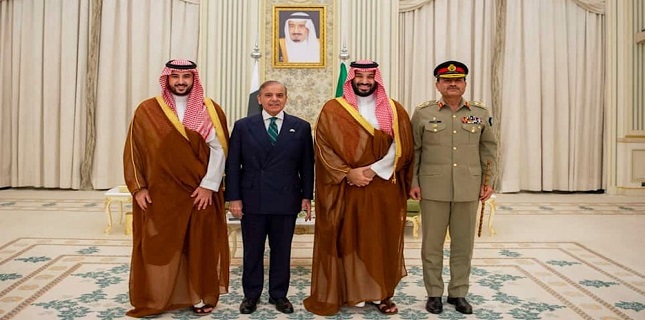
Pakistan and Saudi Arabia are holding talks that could see around $2 billion in Saudi loans converted into a defense procurement deal centred on Pakistan’s JF-17 Thunder fighter jets, Reuters reported, citing Pakistani sources familiar with the discussions. If concluded, the arrangement would mark a significant step in translating the Strategic Mutual Defense Agreement signed between the two countries last year.
The negotiations come as Pakistan faces sustained financial strain and continues to rely on support from Gulf partners, while Saudi Arabia deepens security cooperation with non-Western allies amid ongoing regional instability and uncertainty surrounding long-term US security commitments in West Asia.
Two Pakistani sources told Reuters the discussions focus primarily on the JF-17, a lightweight multirole fighter aircraft jointly developed by Pakistan and China and produced at Pakistan Aeronautical Complex. One source said the talks were limited to the aircraft, while another said the JF-17 was the main option among several under consideration.
According to one source, the overall package under discussion could be worth up to $4 billion, including the conversion of existing Saudi loans and an additional $2 billion allocated for defense equipment purchases. The sources, described as close to Pakistan’s military establishment, spoke on condition of anonymity as they were not authorized to discuss the matter publicly.
Pakistan’s military, as well as its finance and defence ministries, did not respond to Reuters’ requests for comment. Saudi Arabia’s government media office also declined to comment.
High-level military engagement
The reported talks coincide with recent high-level military exchanges between the two countries. Pakistan’s Air Chief, Zaheer Ahmed Baber Sidhu, was in Saudi Arabia this week for meetings with his Saudi counterpart, Lieutenant General Turki bin Bander bin Abdulaziz.
In a statement, Pakistan’s military said the discussions covered bilateral defense cooperation, the regional security environment, and future avenues of collaboration, underscoring the growing institutionalization of military ties between Islamabad and Riyadh.
The Strategic Mutual Defense Agreement, signed in September 2025, commits both countries to treat aggression against either as aggression against both. The pact formalized decades of close military cooperation, including Pakistani training and advisory deployments in Saudi Arabia dating back several decades.
Financial ties, strategic context
Saudi Arabia has long been a key financial backer of Pakistan, particularly during periods of economic stress. Riyadh has repeatedly extended and rolled over deposits held at Pakistan’s central bank and provided oil supply facilities on deferred payment terms; measures that have helped Islamabad stabilise its foreign exchange reserves and meet external financing needs.
These financial arrangements have taken on added importance as Pakistan seeks to manage chronic balance-of-payments pressures while reducing reliance on multilateral lenders. Saudi Arabia, China, and the United Arab Emirates together hold a significant share of Pakistan’s external deposits, which the International Monetary Fund has required Islamabad to maintain under its current program.
The reported defense talks follow a period of heightened regional tension, primarily following the brazen and unprovoked Israeli aggression on Doha last year that has raised serious concerns among Gulf states about wider escalation and the durability of existing security arrangements.
JF-17, Pakistan’s defense exports
The JF-17 Thunder has become central to Pakistan’s efforts to expand defense exports and monetize its domestic military-industrial base. Marketed as a cost-effective and adaptable platform, the aircraft has been deployed by Pakistan in counter-insurgency operations and regional conflicts.
Pakistani officials have said JF-17s were used during clashes with India in May last year, the most intense fighting between the two neighbours in decades. While specific claims surrounding those engagements remain disputed internationally, the aircraft’s operational use has been highlighted by Pakistani officials as a factor boosting its export appeal.
Aamir Masood, a retired Pakistani air marshal and defense analyst, said Pakistan is in talks with, or has finalised agreements involving, several countries for the supply of JF-17s and related weapons and electronic systems. He identified Saudi Arabia among the countries involved in discussions, though he told Reuters he could not confirm details of the current negotiations.
Wider arms outreach
The Saudi talks come as Islamabad pushes to expand arms exports beyond South Asia. Last month, Pakistan concluded a weapons deal worth more than $4 billion with Libya’s eastern-based Libyan National Army, one of the country’s largest defense export agreements to date. The package includes JF-17 fighter jets and training aircraft.
Pakistan has also held discussions with Bangladesh regarding a potential sale of the JF-17, reflecting efforts to position its defense industry as a supplier to the Global South.
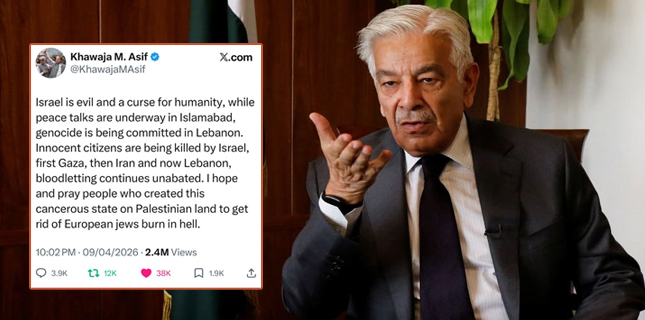
Earlier this week, Defense Minister Khawaja Asif said rising demand for Pakistani-manufactured weapons could help strengthen the country’s economic position. His comments come as Pakistan remains under a $7 billion IMF programme, its latest in a long series of bailout arrangements secured with support from Saudi Arabia and other Gulf partners.
Must Read