Iran agreed to nuclear concessions in Geneva talks – and then US-Israel bombed

WebDesk
04 March, 2026 09:58
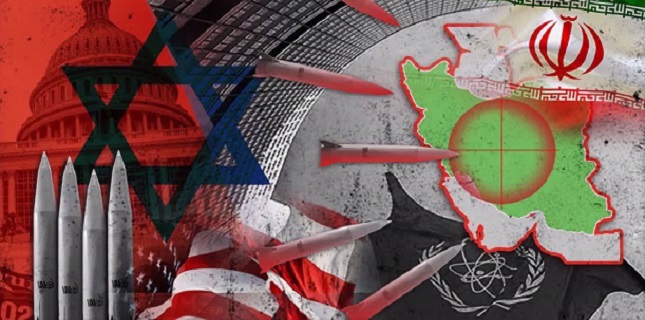
Iran had agreed to unprecedented concessions during the recent nuclear talks in Geneva, only to face a war of aggression from the United States and Israel shortly thereafter.
Negotiations mediated by Oman would have done away with the terms of the 2015 nuclear accord, formally known as the Joint Comprehensive Plan of Action (JCPOA), and formed an agreement based on an entirely different architecture, as per sources.
Iranian negotiators accepted all demands presented by the United States during the latest round of talks – including conditions exceeding international legal requirements.
Under the original JCPOA framework negotiated in Vienna during the Obama administration, Iran agreed to cap uranium enrichment at 3.67% and limit its stockpile of enriched uranium, subject to monitoring by the International Atomic Energy Agency (IAEA).
However, in a televised exchange on CBS’ Face the Nation, Oman’s foreign minister, Badr bin Hamad Al Busaidi, described a new understanding that would go further than the 2015 deal.
He characterized the most significant achievement of the Geneva talks as Iran’s agreement that it would “never ever” possess nuclear material capable of producing a bomb.
The proposal reportedly included:
• Zero accumulation of enriched uranium
• Zero stockpiling
• Down-blending existing stockpiles to the lowest possible enrichment level
• Comprehensive IAEA verification
If implemented, such measures would effectively eliminate Iran’s ability to rapidly produce any Highly Enriched Uranium (HEU) or weapons-grade material, regardless of enrichment capacity.
These demands surpass even what is required under the Treaty on the Non-Proliferation of Nuclear Weapons (NPT), of which Iran is a signatory, which allows non-nuclear-weapon states to pursue civilian nuclear programs under safeguards.
Despite Iran’s acceptance of the sweeping proposals, the United States and Israel launched an illegal war of aggression against Iranian targets within a day, massacring over a hundred schoolgirls and assassinating Leader of the Islamic Revolution Ayatollah Seyyed Ali Khamenei.
“A deal was within our reach, and we left Geneva happily with the understanding that we can reach a deal next time we meet,” said Iranian Foreign Minister Abbas Araghchi.
Follow-up talks were scheduled this week in Vienna, with technical teams from both sides to convene and build on the progress made in the previous rounds of talks.
But, before that, the enemy showed its true colours. Talks have not been indefinitely suspended.
The rationale behind this unprovoked act of war is unclear. Traditionally, hostilities are reserved for failed negotiations – not for a party that just obtained everything it wanted.
This raises the question of whether the negotiations were perhaps a ruse, similar to how the 12-Day War was launched in a surprise attack in the middle of negotiations in June last year – and, to cite yet another example, how Hamas delegates were bombed in Qatar during negotiations with Israeli mediators.
Iran has long maintained that it does not seek nuclear weapons. A religious decree, or fatwa, issued by Ayatollah Khamenei, who was assassinated in these attacks, prohibits the development and use of nuclear arms.
Within Shia Islamic jurisprudence, such rulings are considered binding religious guidance.
The underlying argument is that the destruction inflicted by a nuclear weapon is so great and indiscriminate that no political or military objective can justify its use.
The US assassinating the very religious authority who banned nuclear weapons, in the name of preventing nuclear weapons, begs the question of whether US policymakers are listening to their own analysts.
Despite concerns regarding enrichment levels and stockpiles (which were triggered by the unilateral and illegal US withdrawal from the JCPOA), Western intelligence agencies, including past public assessments by US officials, have stated that they found no conclusive evidence of an active Iranian nuclear weapons program.
This was also the view of Rafael Grossi, Director General of the UN’s nuclear watchdog, the IAEA, who said in October 2025 that Iran had not developed any nuclear weapons. More recently, on Tuesday, he reiterated that Iran is nowhere near a nuclear bomb, dismissing the baseless claims made by Trump and his aides.
The war has drawn great criticism from the American public and the world at large.
Many view this unprovoked attack on Iran and the WMD pretext as a repeat of the illegal US-led invasion of Iraq in 2003, which was based on a lie about weapons of mass destruction.
This act of “turncoat” diplomacy could prove to be the final nail in the coffin of any diplomatic engagement with Washington – or, as the secretary of Iran’s Supreme National Council, Ali Larijani, stated on X on March 2, “We will not negotiate with the United States.”
Must Read
Lebonan
Operation Eaten Straw: Hezbollah Executes Coordinated Hits on Key Israeli Targets
25-March،2026
Middle East
Wave 80: IRGC launches major strikes against northern, central occupied territories, US bases
25-March،2026