Bayer Linked to Alleged Israeli Use of Chemical Weapons in Lebanon

WebDesk
01 July, 2026 18:25
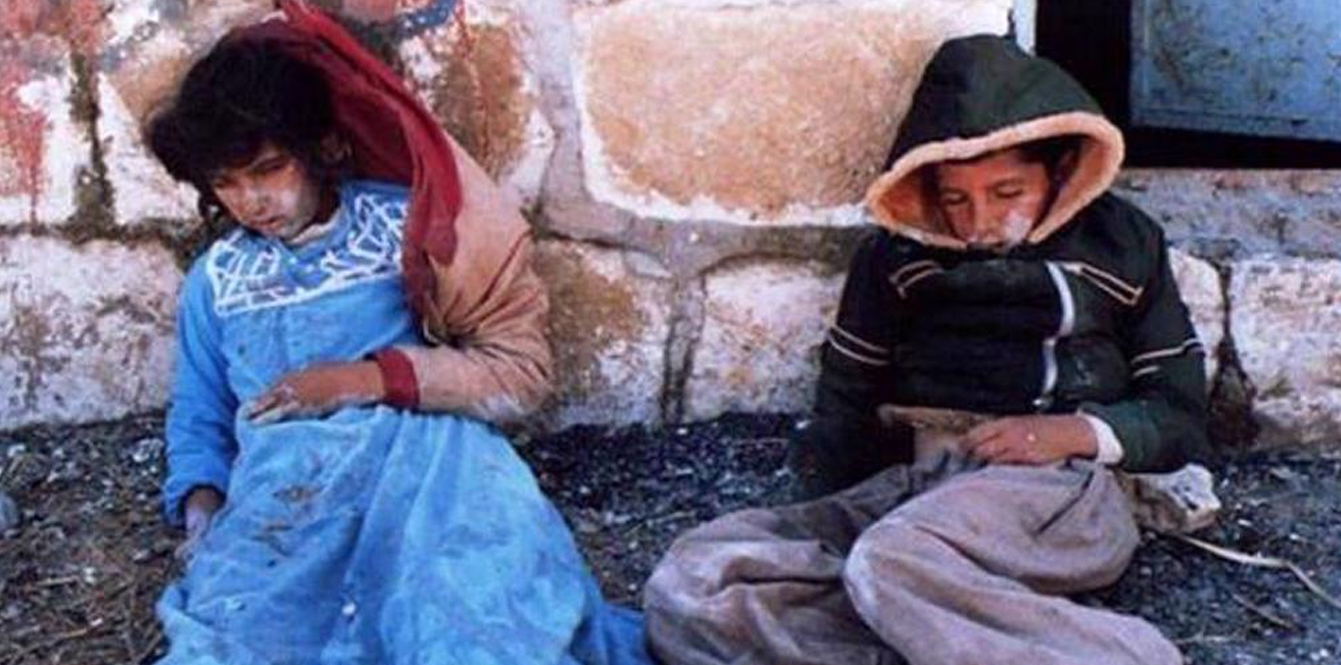
Germany’s pharmaceutical and chemical giant Bayer has been accused of supplying white phosphorus and glyphosate used by the Israeli military in its offensive in Lebanon, a report says, raising fresh questions about the supply chain behind banned weapons used in the aggression.
A joint investigation by Germany’s Coordination gegen Bayer-Gefahren (CBG) and Medico International suggested that Bayer, which acquired Monsanto in 2018, is linked to the supply chain of glyphosate and white phosphorus used by the Israeli military in Lebanon.
Read More: Iran and Iraq Ready for Historic Funeral Ceremony, Foreign Minister Says
“There is strong evidence that phosphorus used in the Middle East war comes from Bayer’s glyphosate production facility in Soda Springs in the United States,” CBG representative Jan Pehrke said.
Although Bayer’s board during an April 2026 meeting denied directly supplying glyphosate to the Israeli or US military, it did not deny providing raw materials used in white phosphorus production.
The report – titled “Cartographies of Destruction: Israel’s War Against Lebanon” – says Israeli forces expanded a military doctrine first “tested” in the besieged Gaza Strip in 2014 by using glyphosate as a weapon in Lebanon, despite a 2013 Israeli so-called commitment to phase out white phosphorus in populated areas.
Lebanon’s Agriculture Ministry found glyphosate concentrations 20 to 30 times above normal levels in affected soil samples, while the army chief described the contamination as an “environmental and health” crime.
The findings come after the United States designated elemental phosphorus a material critical to its national security.
Human rights organizations have documented Israel’s extensive use of white phosphorus, including its deployment in Gaza after Israel launched its genocidal war following October 7, 2023. Human Rights Watch verified its use in at least 17 Lebanese municipalities since October 2023.
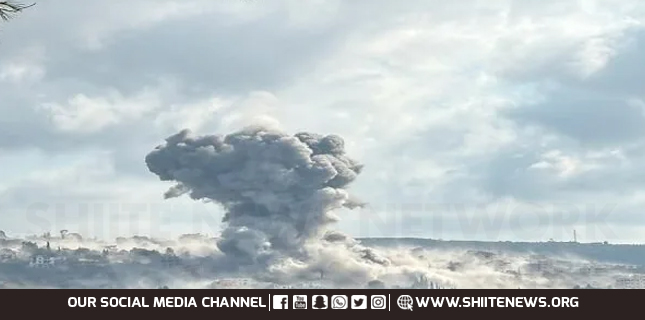
Independent researchers also recorded more than 200 incidents that triggered around 600 fires. In the southern Lebanese town of Dhayra, residents and medical workers reported respiratory injuries among nine civilians after exposure to the munition’s distinctive “garlic-like” smoke.
In April 2026, Lebanon’s Environment Ministry slammed Israel for committing “an act of ecocide,” estimating environmental losses at $25 billion after thousands of hectares of forest were destroyed and severe soil contamination “reshaped both the physical and ecological landscape” of southern Lebanon.
The findings are reinforced by a New York Times investigation published on June 6, which documented repeated Israeli use of white phosphorus over populated areas including Tyre, Nabatieh, Qlayaa, Khiam and Yohmor.
Verified footage identified US-made M825A1 artillery shells that disperse 116 burning felt wedges, capable of igniting fires across a 250-meter radius, with flames often spreading even farther as the burning material is carried by the wind.
Must Read


Pakistan
Rana Kazim Missing Shia Youth: Innocent Son Muhammad Muslim Waits Outside Lahore Press Club
23-October،2026