Japan warns of food crisis amid West Asia war, oil supply risks

WebDesk
31 March, 2026 01:12
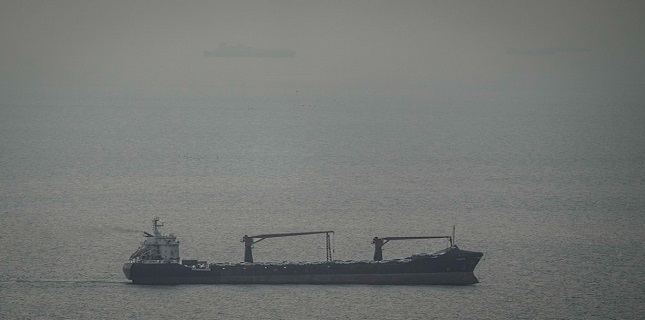
Takayuki Kobayashi, chairman of the policy research council of Japan’s ruling Liberal Democratic Party, warned of a potential food crisis amid escalating tensions in West Asia.
“This is an extremely serious situation that, if developed unfavorably, could lead to a food crisis,” Kobayashi told lawmakers during a meeting in Miyagi Prefecture, as reported by Kyodo News.
Kobayashi emphasized the uncertainty of the situation and urged authorities to prepare measures in case of a prolonged crisis. “It’s impossible to predict how long this will last. We have a very strong sense of crisis. We need measures that can support people’s lives in any scenario,” he said.
The chairman also highlighted concerns over domestic oil supply chains, noting that while the government and private sector maintain reserves, anxiety is growing. “The government and the private sector have reserves, and no immediate shortage is expected, but anxiety is growing. We will strive to provide accurate information,” he said.
‘Israel’, US disrupt global maritime trade
Japan relies on West Asia for about 94% of its oil supplies, with almost all shipments passing through the Strait of Hormuz, where shipping has largely stalled due to recent military developments sparked by US-Israeli aggression. Since March 16, Japan has released 80 million barrels from strategic reserves, covering roughly 45 days of supply.
Kobayashi said the ruling party is preparing measures to address rising fuel and fertilizer costs, including additional releases from oil reserves.
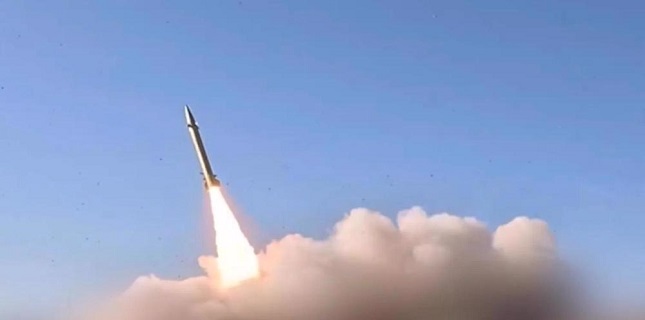
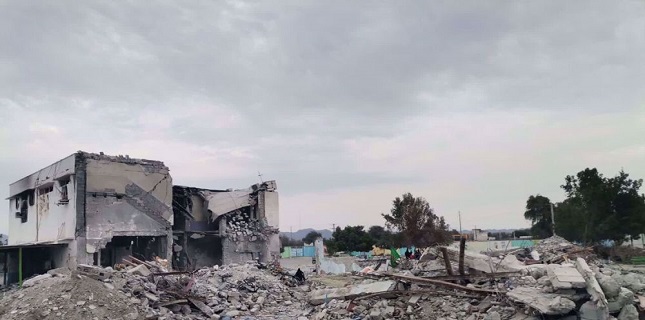
The situation follows attacks by the United States and the Israeli occupation on Iranian targets on February 28, including in Tehran, which caused civilian casualties. Iran responded with strikes on Israeli territory and US military facilities in West Asia.
The escalation has effectively blocked the Strait of Hormuz, a key route for oil and liquefied natural gas shipments from the Gulf to global markets. The disruption has impacted oil exports and production, contributing to rising fuel prices worldwide.
Iran sets the terms
Iranian officials have repeatedly affirmed that the strait remains closed to the United States, “Israel”, and their allies, but remains open to non-hostile vessels that are not involved in the ongoing US-Israeli aggression on Iran.
Iranian Foreign Minister Abbas Araghchi has affirmed that Tehran’s control over the waterway is a legal right under international law, placing the blame for regional instability squarely on Washington and Tel Aviv.
In a call with UN Secretary-General António Guterres, Araghchi stressed that the insecurity gripping the strait is a direct consequence of the US-Israeli aggression, and called on the UN to condemn the aggressors rather than pressure Iran into restraint.
Tehran has also insisted that its influence over the Strait of Hormuz constitutes a mechanism to ensure compliance with any future commitments, and that this must be formally acknowledged.
Must Read


Saudi Arab
Saudi Arabia Deeply Disappointed After Failing to Secure US Support Against Yemen
15-September،2026
Bahrain
Al Khalifa Government’s Anti-Religious Policies Threaten Bahrain’s National Existence, Warn Scholars
15-September،2026