Iran to allow 20 Pakistani ships through Hormuz, Deputy PM says

WebDesk
29 March, 2026 02:10

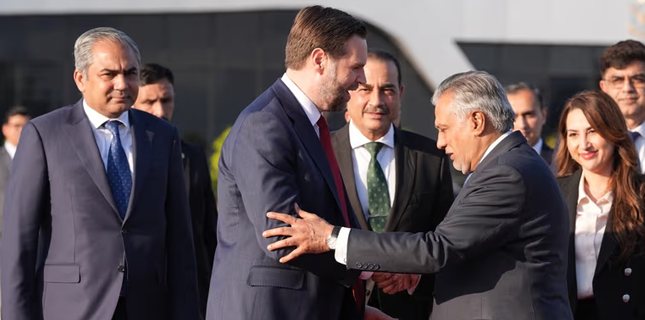
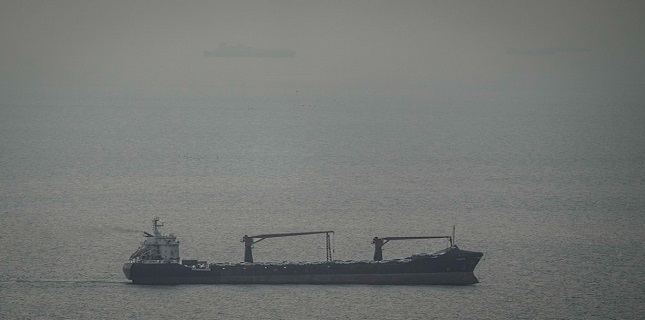
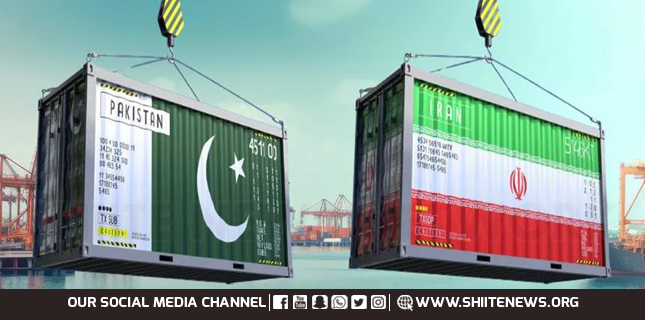
Iran has authorized a limited number of Pakistani-flagged vessels to transit the Strait of Hormuz, Pakistan’s Deputy Prime Minister Ishaq Dar announced on Saturday.
“I am pleased to share a great news that the Government of Iran has agreed to allow 20 more ships under the Pakistani flag to pass through the Strait of Hormuz; two ships will cross the Strait daily,” Dar said in a post on X.
The arrangement comes as Iran continues to enforce strict oversight of maritime traffic through the strategic waterway following US-Israeli aggression that triggered the current war. Tehran has maintained that access to the Strait remains restricted to vessels it does not consider linked to hostile actors, effectively establishing a controlled transit system in response to the aggression.
Under this framework, ships are granted passage on a regulated basis, with only a limited number permitted to cross each day. The Strait of Hormuz, a critical artery for global energy flows, has seen a sharp decline in traffic since the start of the aggression, as security risks and restrictions continue to disrupt normal shipping patterns.
Dar welcomed the move, stating, “This is a welcome and constructive gesture by Iran and deserves appreciation. It is a harbinger of peace and will help usher stability in the region.”
“This positive announcement marks a meaningful step toward peace and will strengthen our collective efforts in that direction. Dialogue, diplomacy, and such confidence-building measures are the only way forward,” he added.
Selective transit policy
Iran’s decision to permit Pakistani vessels reflects its distinction between adversarial and non-hostile states, as well as broader regional efforts to prevent a complete breakdown in trade while maintaining pressure in response to US actions.
Pakistan, which has sought to position itself as a mediator, has been engaged in diplomatic initiatives aimed at de-escalation alongside other regional actors.
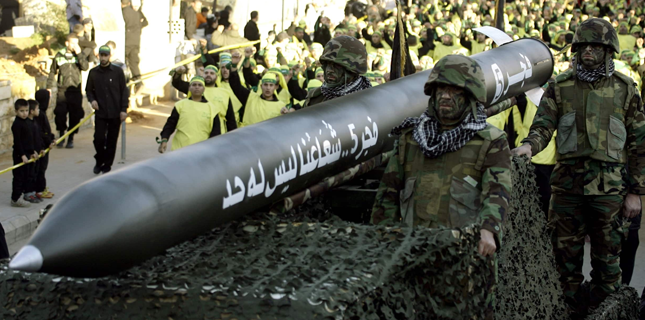
The development comes as the war continues to expand, with Yemen’s Ansar Allah forces having entered the confrontation with missile strikes targeting “Israel”, while the United States has deployed additional troops to the region, raising concerns over a prolonged and widening war.
Must Read


Pakistan
Baqir Zaidi Condemns Reported Restrictions on Shia Muslims in Afghanistan
14-September،2026