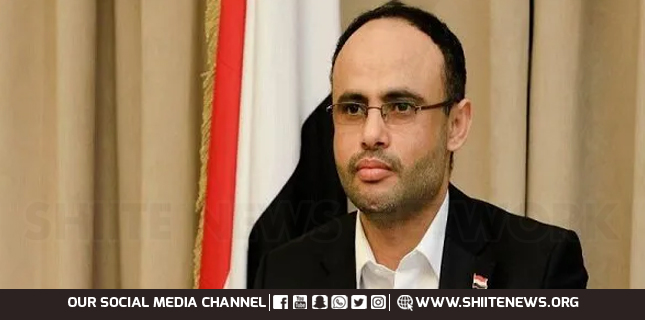
Yemen experiencing toughest petroleum products crisis since Saudi aggression: YPC

03 March, 2022 06:51
UN General Assembly adopts anti-Russian resolution The United Nations General Assembly votes in favor of a United States- and Albania-drafted anti-Russian resolution, which had failed to gain traction at the UN Security Council. The Assembly adopted the resolution on Wednesday, with 141 votes in favor, five negative votes, and 35 abstentions. The resolution “deplores” Russia’s ongoing military operation in Ukraine, demanding that Moscow stop fighting and withdraw its military forces. Last Thursday, Russian President Vladimir Putin announced a “special military operation” aimed at “demilitarization” of the Donetsk and Lugansk regions in eastern Ukraine. In 2014, the regions declared themselves new republics, refusing to recognize Ukraine’s Western-backed government. More than 14,000 people have been killed so far across the regions as a result of the conflict that ensued between the Ukrainian military and the rebels. Announcing the operation, Putin said the mission was aimed at “defending people who for eight years are suffering persecution and genocide by the Kiev regime.” Addressing the Assembly, Russia's UN envoy Vassily Nebenzia rejected allegations that Moscow was targeting civilians in Ukraine. He blasted Western governments for pressuring the Assembly’s members to pass the resolution. Nebenzia also said Ukrainian forces were using civilians as human shields and deploying heavy weapons in residential areas. Elaborating on China’s abstention, Beijing’s envoy Zhang Jun said the resolution did not undergo “full consultations with the whole membership” of the Assembly. "Nor does it take full consideration of the history and complexity of the current crisis. It does not highlight the importance of the principle of indivisible security, or the urgency of promoting political settlement and stepping up diplomatic efforts,” he said. “These are not in line with China’s consistent positions.” A day after the Russian president announced the operation, the Security Council put the same resolution to vote, but Russia used its veto power against it. Any negative vote, known as veto, from the Council’s five permanent members can lead to any given resolution’s failure.
A spokesman for the Yemen Petroleum Company (YPC) says the Arab country is experiencing the toughest petroleum products crisis since the start of the Saudi aggression and siege nearly seven year ago.
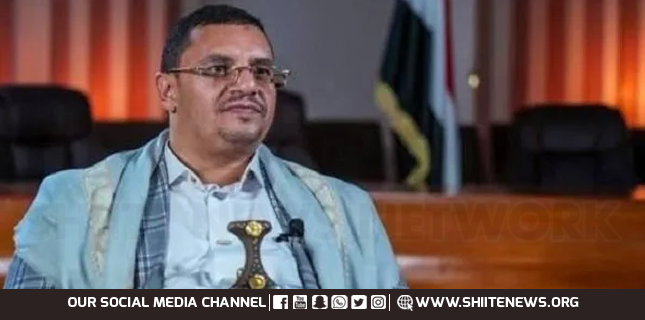
The queues of cars waiting for fuel are “stretching more than three kilometers in front of [petrol] stations in various provinces” across the country, Essam al-Mutawakel told Yemen’s al-Masirah television network on Wednesday.
He noted that the crisis could be resolved, if fuel ships were not blocked from entering Yemen via Hudaydah port.
Despite having undergone inspection and received UN clearance, the Yemen-bound fuel ships are being seized by the Saudi-led coalition waging war on Yemen and are transferred to Saudi Arabia’s Jizan port, al-Mutawakel explained.
“We always wonder about the benefit of granting the oil tankers UN permits, and [at the same time] the justifications of the acts of piracy committed by the aggression’s coalition against them in international waters,” he said.
Earlier in the day, the YPC said the Saudi-led coalition banned a fuel ship, which had received UN clearance, from entering Hudaydah port.
Yemen’s Minister of Oil and Minerals Ahmad Abdullah Dares has warned that the Saudi seizure of ships carrying petroleum products could lead to the suspension of the service sectors and cause “a humanitarian catastrophe.”
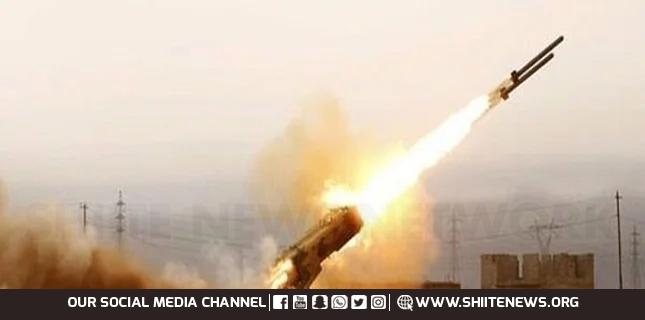
Saudi Arabia and a number of its regional allies — including the United Arab Emirates (UAE) — launched a brutal war against Yemen in March 2015.
The war was launched to eliminate Yemen’s Houthi Ansarullah movement and reinstall ex-president Abd Rabbuh Mansur Hadi, a staunch ally of Riyadh.
The war, accompanied by a tight siege, has failed to reach its goals, but it has killed hundreds of thousands of Yemeni people.
As part of its economic war, the Saudi-led coalition has imposed an economic siege on Yemen, preventing fuel shipments from reaching the country, while looting the impoverished nation’s resources.
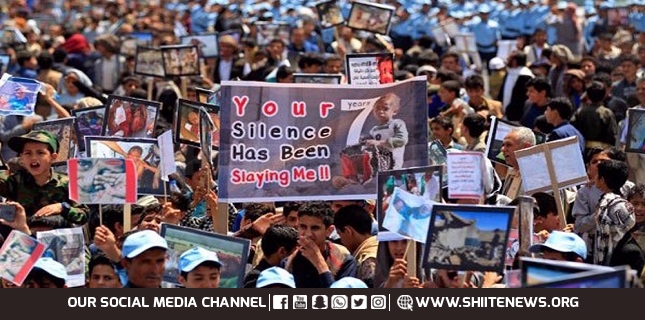
The UN says more than 24 million Yemenis are in dire need of humanitarian aid, including 10 million suffering from extreme levels of hunger. The world body also refers to the situation in Yemen as the world’s worst humanitarian crisis.
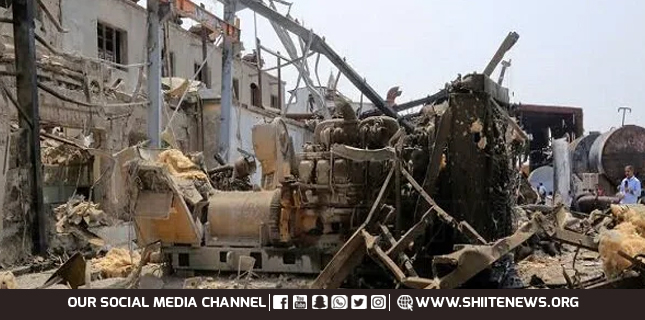
The Saudi war has also taken a heavy toll on the country’s infrastructure, destroying hospitals, schools, and factories.
Must Read
Pakistan
Majlis-e-Takreem-e-Shuhada Isfahan: MWM Pays Glowing Tribute to Shaheed Syed Hassan Nasrallah
13-October،2026
Pakistan
Gaza Former Mufti Jamia Urwatul Wusqa Visit: Dr. Mahmoud Al-Shoubaki Meets Allama Jawad Naqvi
13-October،2026