Yemen FM: IMF loan to Saudi-backed govt. only prolongs aggression

31 August, 2021 06:19
The West had openly used terrorists to overthrow Syrian President Bashar al-Assad, while Russia helped the war-torn country preserve its statehood, said Russian Foreign Minister Sergei Lavrov. When real terrorists from the Daesh terrorist group and its affiliates “were on the threshold of the Syrian capital city, when terrorists were about to seize power in Syria, the West was watching it quite calmly,” Lavrov said on Monday, TASS news agency reported. According to the top Russian diplomat, Russia has created conditions for a political process in Syria, but it is not its fault that the process is slackening. “We have created conditions for a political settlement process [in Syria], which is currently slackening not through our fault. Nevertheless, it is underway,” he stated. Since January 2017, Russian, Iran and Turkey have been mediating peace negotiations between representatives of the Syrian government and opposition groups in a series of talks held in the Kazakh capital Nur-Sultan, formerly called Astana, and other places, including Sochi. The talks are collectively referred to as the Astana peace process. The 16th round of the Astana process was held early last month, with the three guarantor states renewing their commitment to Syria’s sovereignty, independence, unity and territorial integrity. ‘All latest Russian weapons used against terrorists’ Meanwhile, Russia’s defense minister said on Monday that all of Russia’s latest weapon systems have been tested in counter-terror operations in Syria. “In Syria, where we have tested over 320 [types of weapons], in fact, we have tested all the weapons, except for easy-to-understand versions,” Sergei Shoigu said in an interview for the Solovyov-Live YouTube Channel, TASS reported. The deliveries of the latest weaponry to Russian troops have increased substantially lately, Shoigu noted. Syria has been gripped by foreign-backed militancy since 2011. In recent years, the US has been maintaining an illegal military presence on Syrian soil, collaborating with militants against Syria’s legitimate government, stealing the country’s crude oil resources, and bombing the positions of the Syrian army and anti-terror popular forces. The United States has also slapped sanctions on Syria, which have targeted the country’s oil and banking sectors, and in turn, created deep misery for millions of innocent people. UN experts have argued that such unilateral coercive measures themselves violate “human rights and the norms of international behavior.” Last week, the United Nations special envoy for Syria Geir Pedersen stressed that the adverse impacts of sanctions on ordinary Syrians need to be avoided. It is vital that “any humanitarian effects of sanctions that could exacerbate the plight of ordinary Syrians be avoided, in particular in terms of over-compliance,” the envoy said on Tuesday.
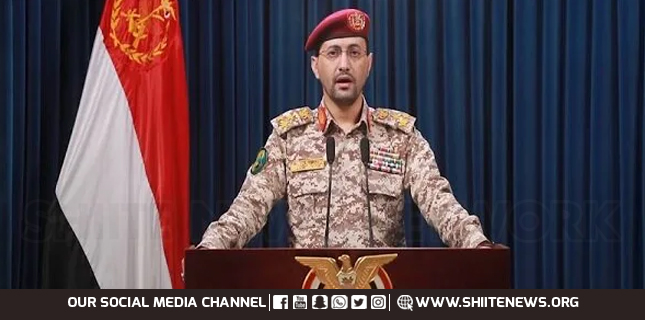
Yemen’s foreign minister has denounced a decision by the International Monetary Fund (IMF) to grant a $650-million loan to Yemen’s former Saudi-backed regime, warning that the financial aid only serves to prolong the years-long war on the impoverished country.
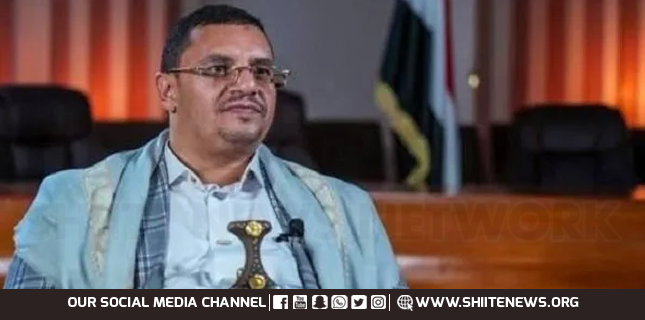
The foreign minister in the Yemeni National Salvation Government, Hisham Sharaf Abdullah, made the remarks in a formal protest letter to the IMF’s Managing Director Kristalina Georgieva on Monday.
Abdullah said despite the justifications and motives of the IMF, given the financial and administrative corruption of the previous government and the central bank in Aden, it is evident that this loan would not be spent for humanitarian purposes, but would only serve to prolong the aggression.
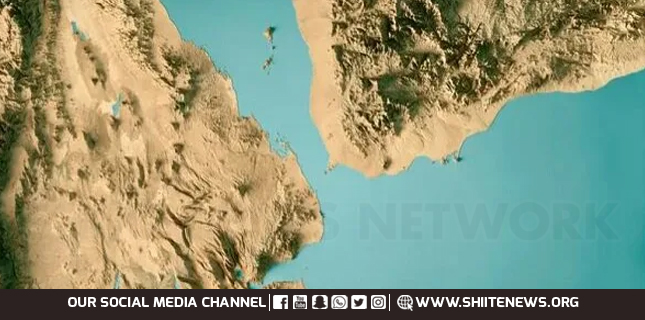
The southern port city of Aden serves as the de facto capital of the former regime, led by ex-president, Abd Rabbuh Mansur Hadi, whose Saudi-backed militia groups fight against the Yemeni army and allied fighters from the popular committees.
Abdullah further held the IMF fully responsible for any consequences and repercussions of granting the loan, saying a sizable portion of it would undoubtedly be deposited in certain accounts and spent by the Saudi-backed regime through a corrupt process.
Yemen’s top diplomat also stressed that the country’s National Salvation Government and any other future government would not accept the responsibility or consequences of lending such a loan to a regime mired in corruption.
Abdullah also said the IMF’s managing board would be the one to be blamed and held accountable for the misuse of those funds.
On August 24, Hadi’s regime announced receiving $665 million as the allocation of Special Drawing Rights (SDR) from the IMF.
Separately on Monday, the undersecretary of Yemen’s ministry of finance, Ahmed Hajar, said the IMF had lost its credibility since it dealt with the Yemenis through a political agenda.
“If the IMF is serious in paying loans to the Yemeni people, it should not allow the mercenary government [of Hadi] to have access to the loans,” Hajar said, stressing that the relocation of the country’s central bank from capital Sana’a to Aden was only meant to put pressure on Yemenis.
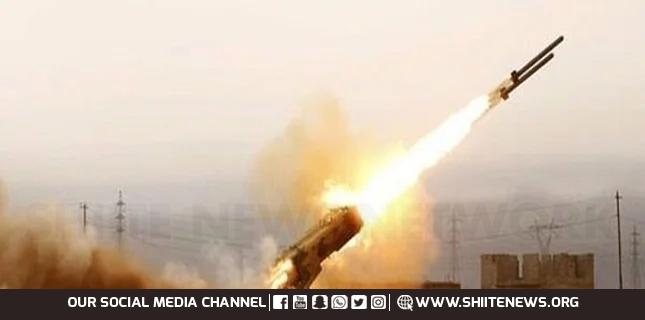
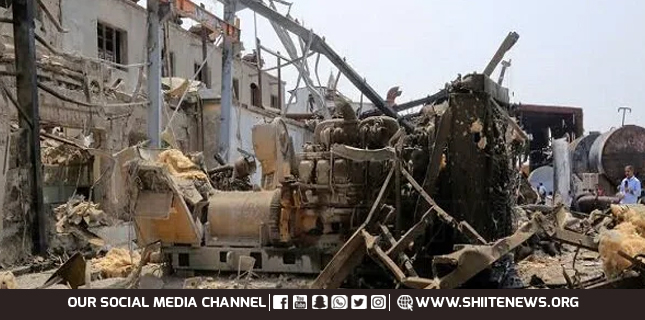
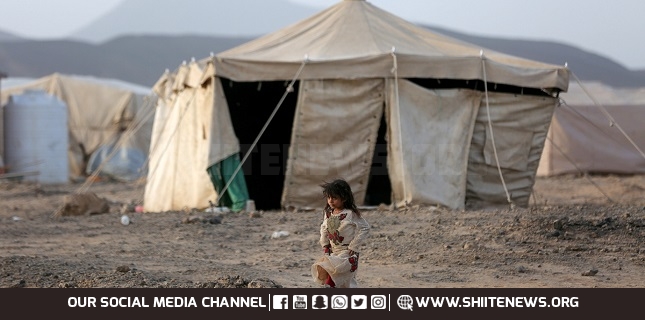
Yemen has been the target of a military campaign led by Saudi Arabia and backed by the US since early 2015. The war — which has unsuccessfully sought to reinstall Hadi in Sana’a — has left hundreds of thousands of Yemenis dead and displaced millions more.
The campaign has also destroyed Yemen’s infrastructure and brought about the “world’s worst humanitarian crisis” in the country, according to the United Nations.
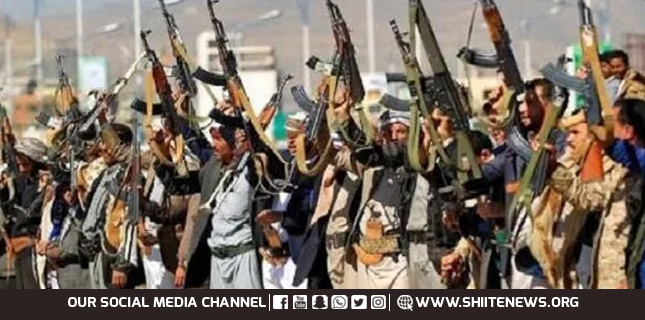
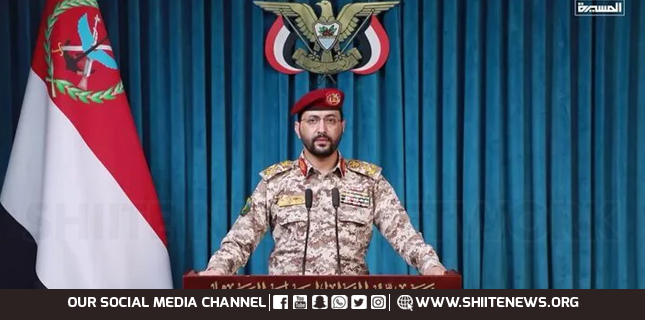
Defending their country against the Saudi-led aggression, Yemeni armed forces and allied Popular Committees have, however, gone from strength to strength against the Saudi-led invaders, and left Riyadh and its allies bogged down in the country.
Must Read
Pakistan
Governor’s Rule KP: Allama Maqsood Domki Calls It a Serious Democratic Mistake
14-October،2026
Pakistan
Sipah Sahaba Commander Killed: CTD Operation Eliminates Wanted Terrorist in Bannu
14-October،2026
Pakistan
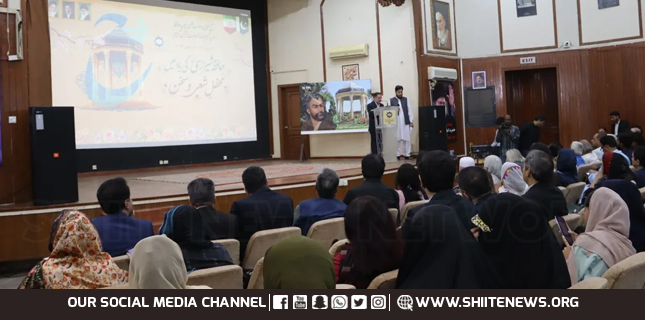
Hafez Shirazi Commemoration Karachi: Khana-e-Farhang Iran Hosts Splendid Literary Event
14-October،2026